Twenty-second Stop
Workshop at Opaltorgets Bibliotek · August 2026
Workshop Leader: Simona Cavalieri and Katja Mock
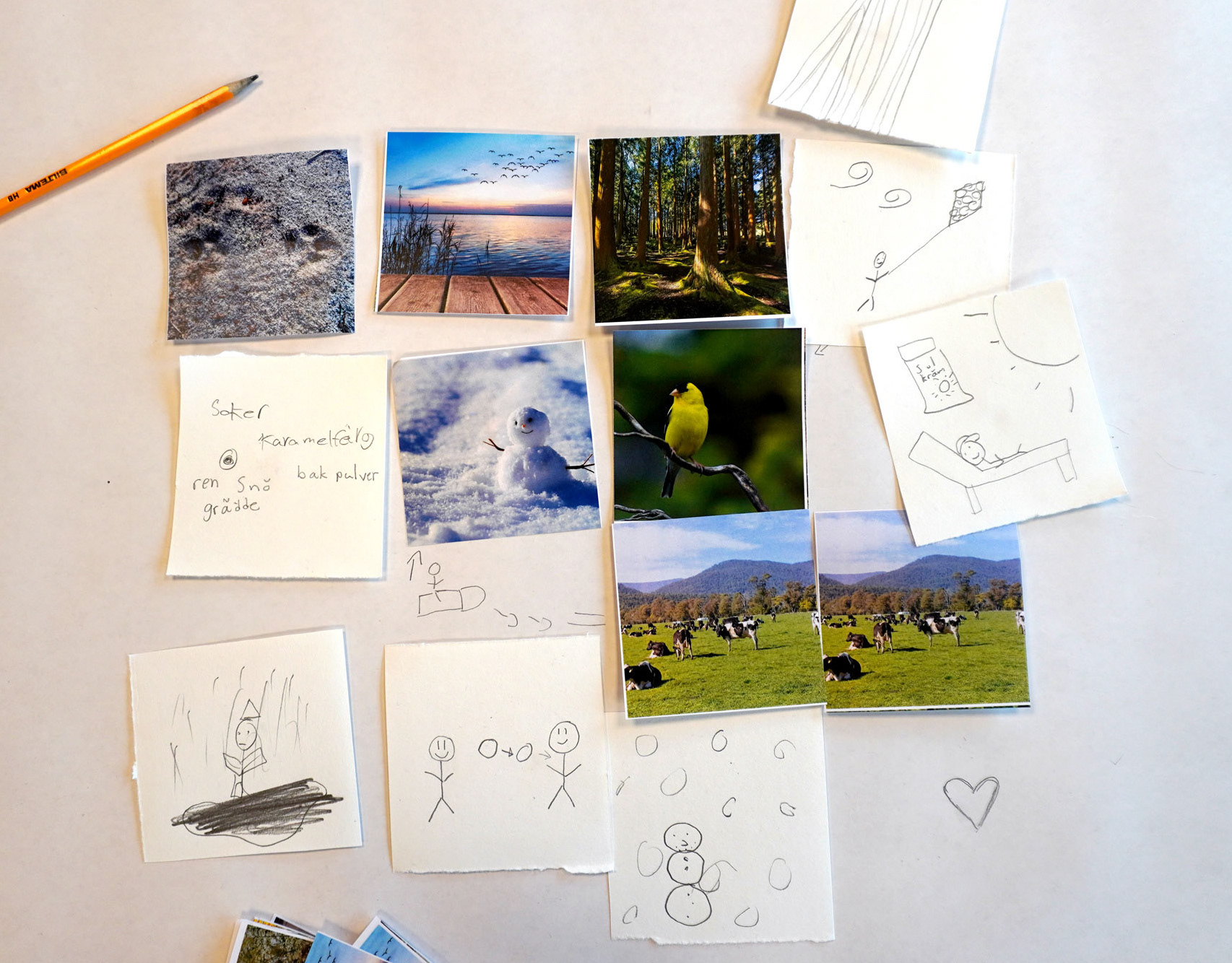
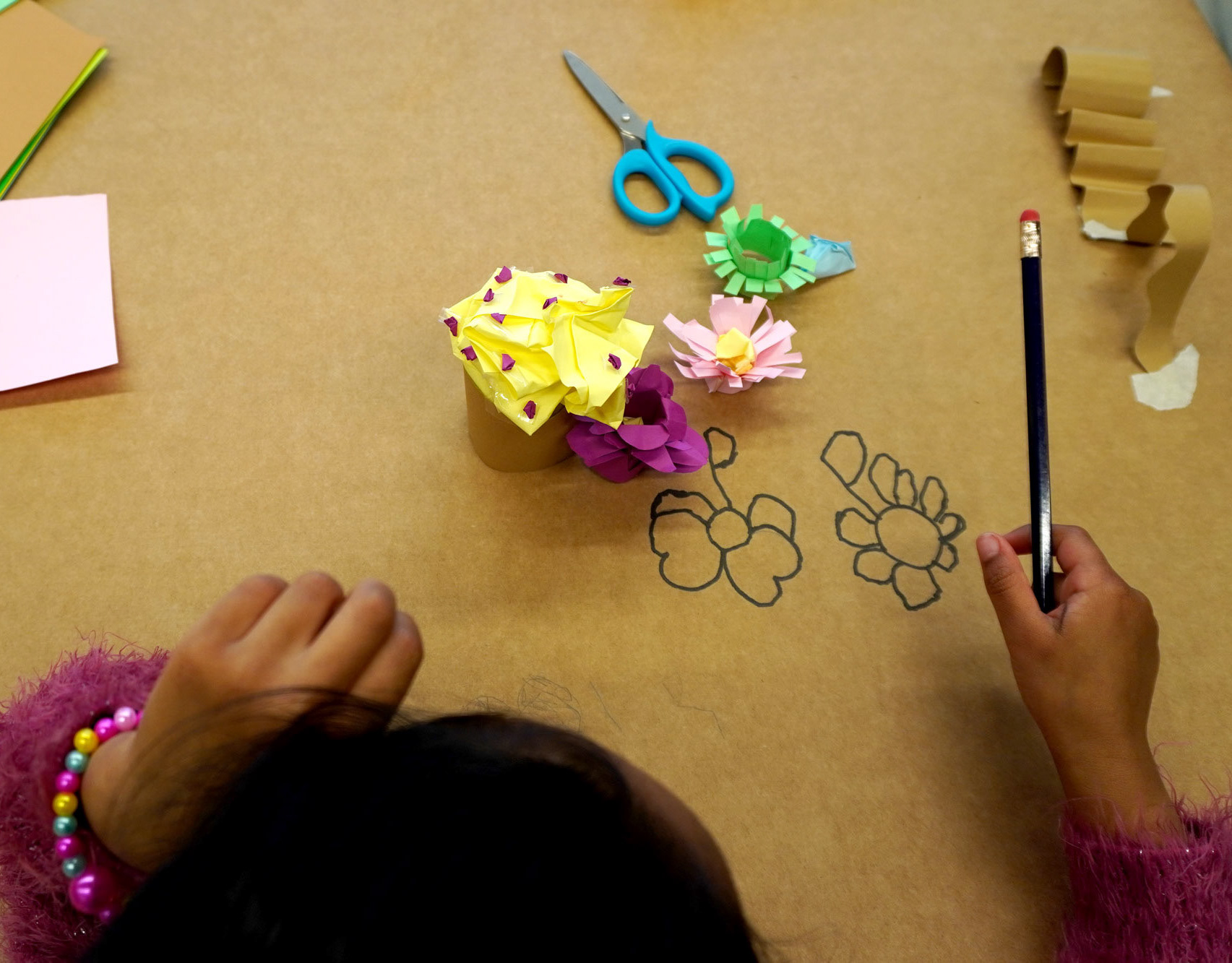
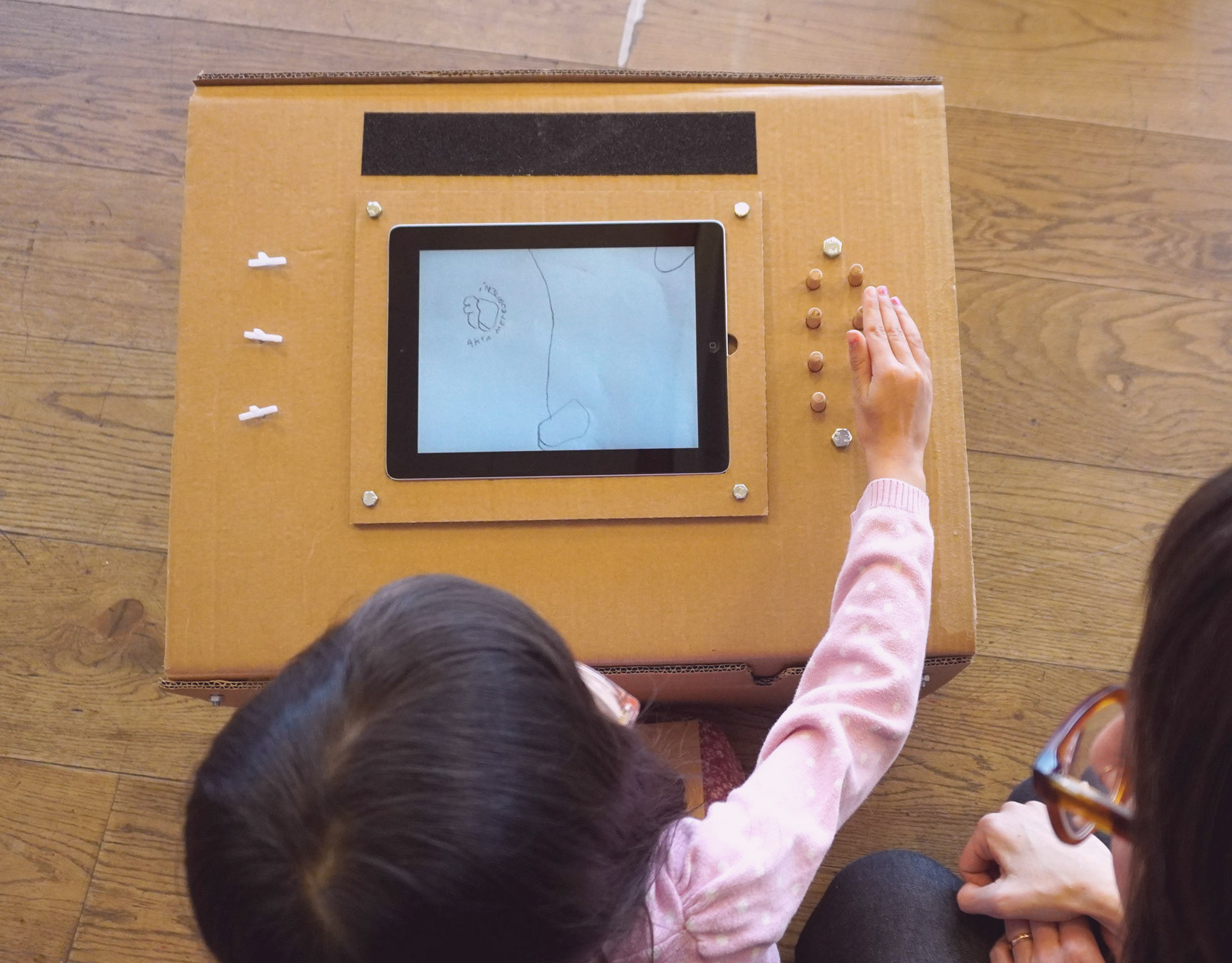
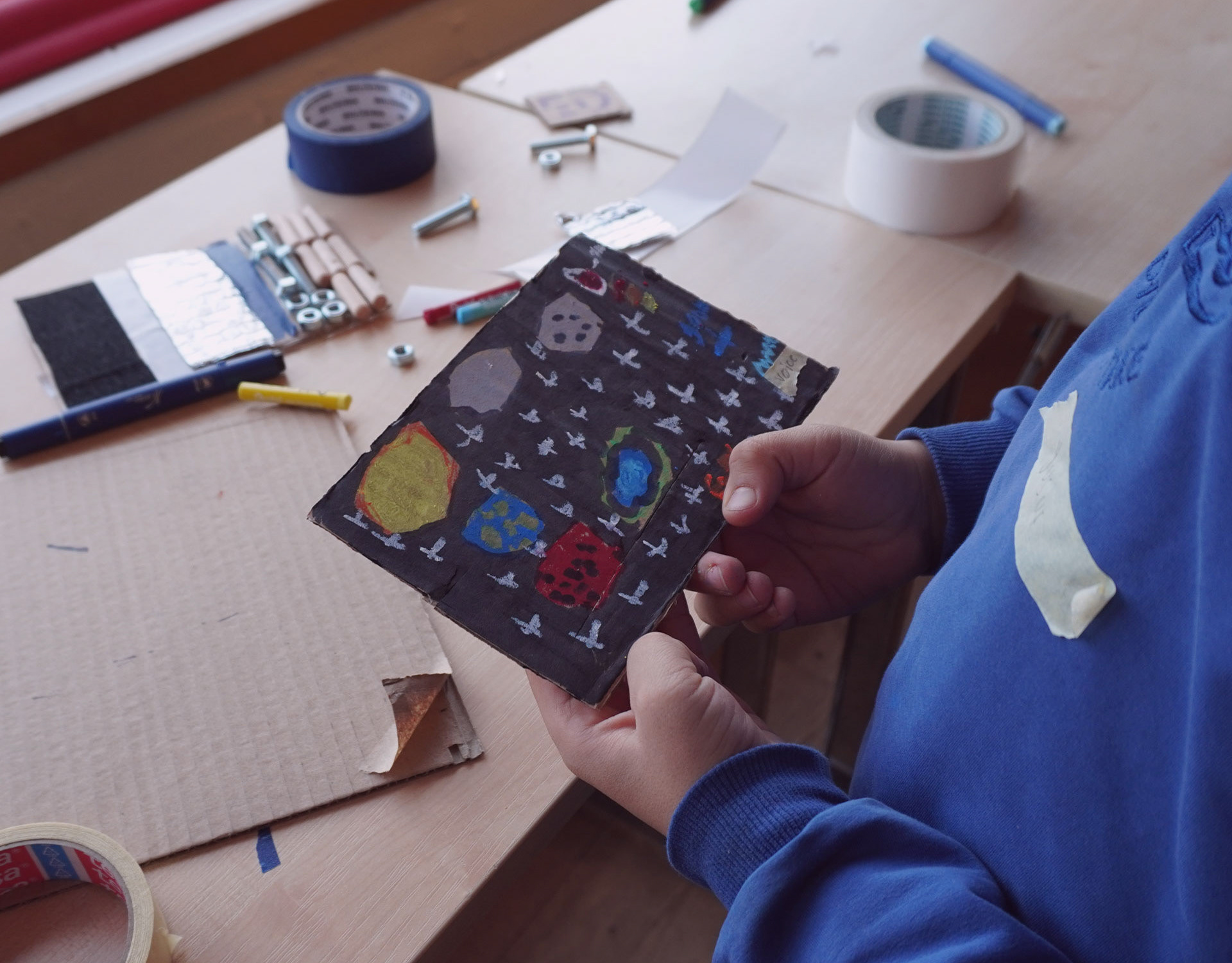
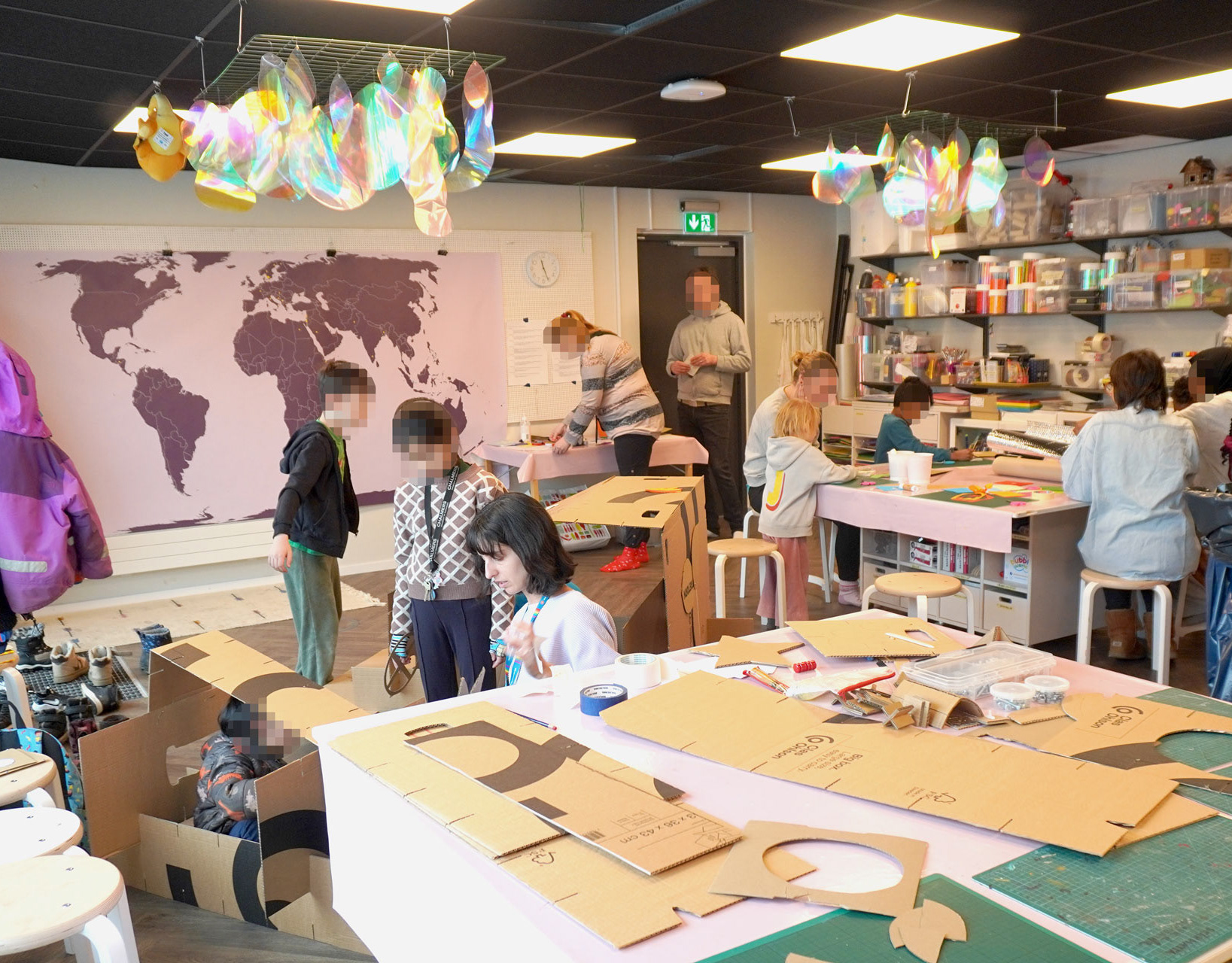
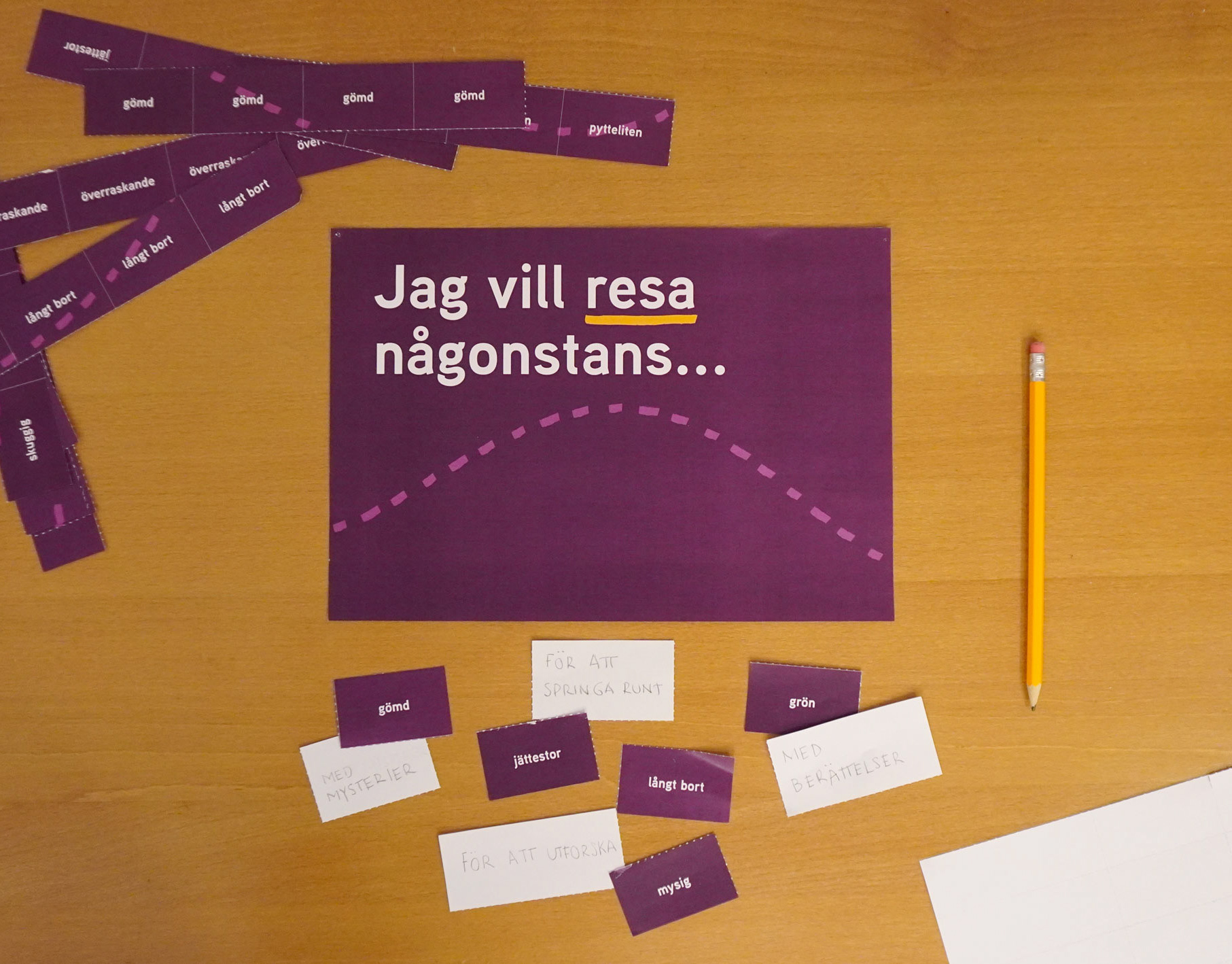
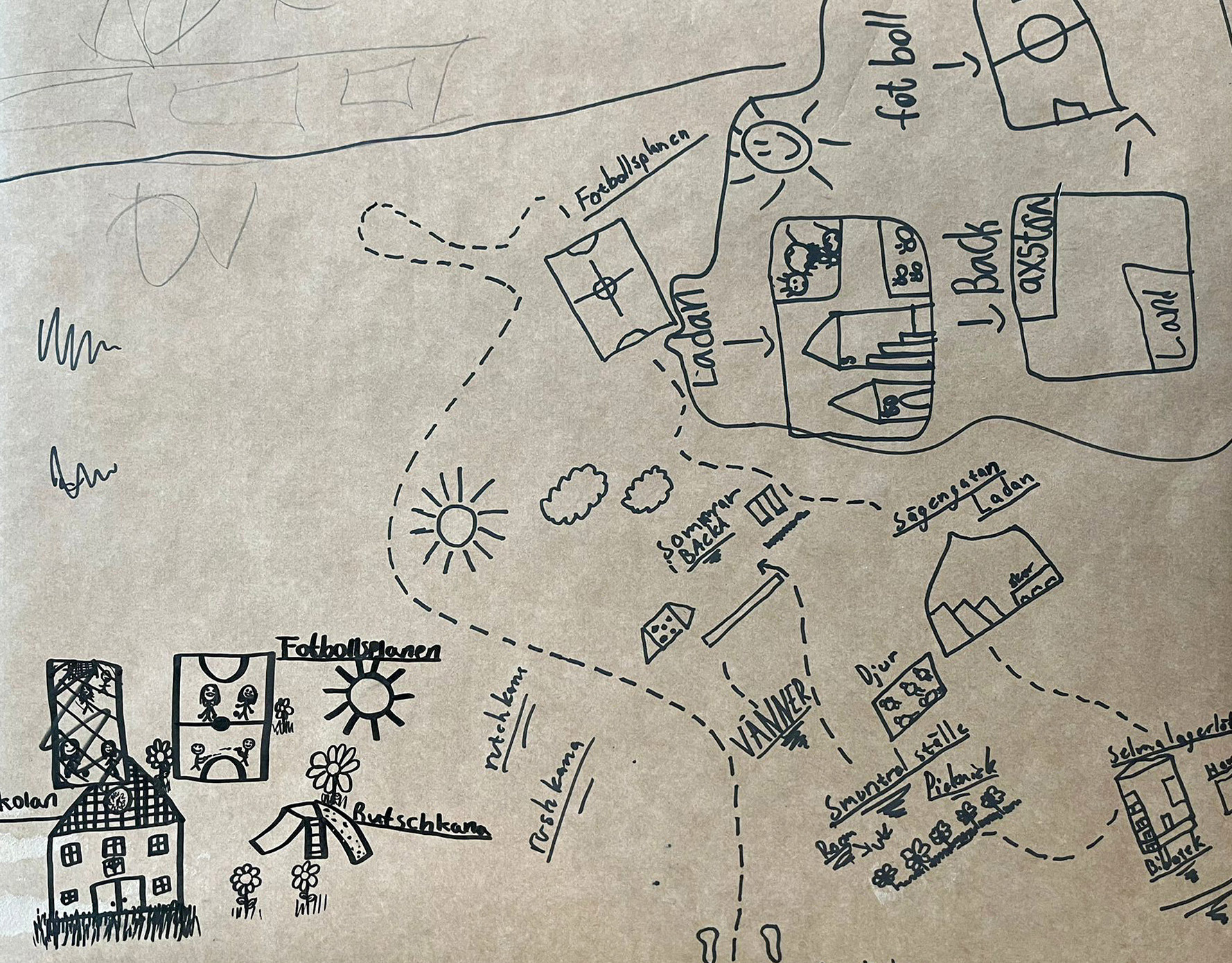
During this workshop, we asked children to explain their interpretation of different activities and themes that have repeatedly emerged during previous workshops. Illustrations were created as one possible way of making these themes understandable for children. Each image showed a figure engaged in an activity or experience, rather than directly representing a specific category of places. In a group setting, the children had the chance of interpreting the different illustrations, explaining the activities and places they associated with them.
Communicating Through Illustrations
We used illustrations as a starting point for thinking about activities, experiences and outdoor environments. The workshop allowed us to observe how children approached these visual prompts without written labels and how the images shaped their associations with places they know and regularly visit.
The children understood the illustrations relatively quickly. We observed during the workshop that some illustrations were more open than others, and that children often focused strongly on a particular gesture, movement, object or setting within the illustration. These specific visual details sometimes became the starting point for their associations and could lead them towards unexpected directions.
Places Are Memories
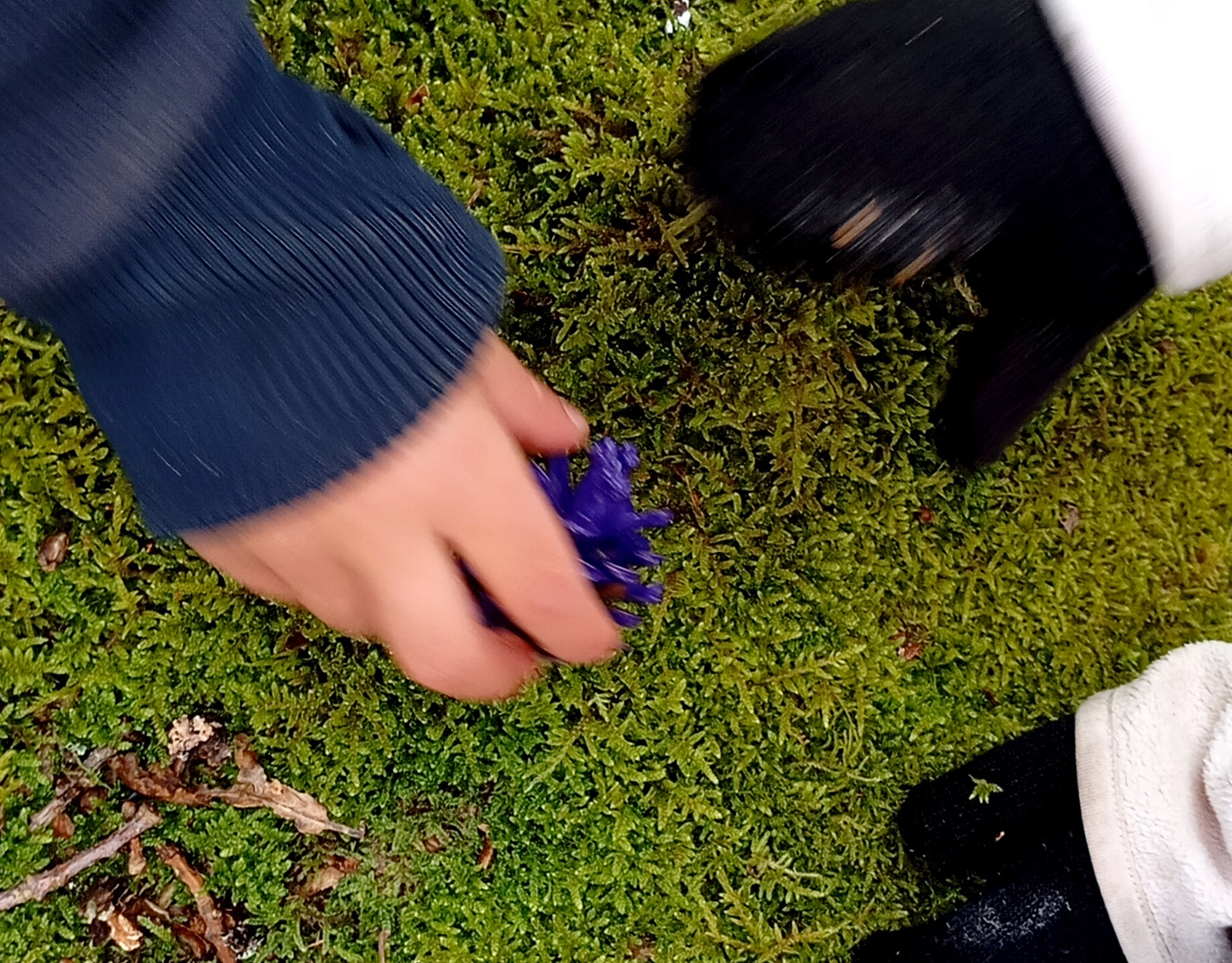
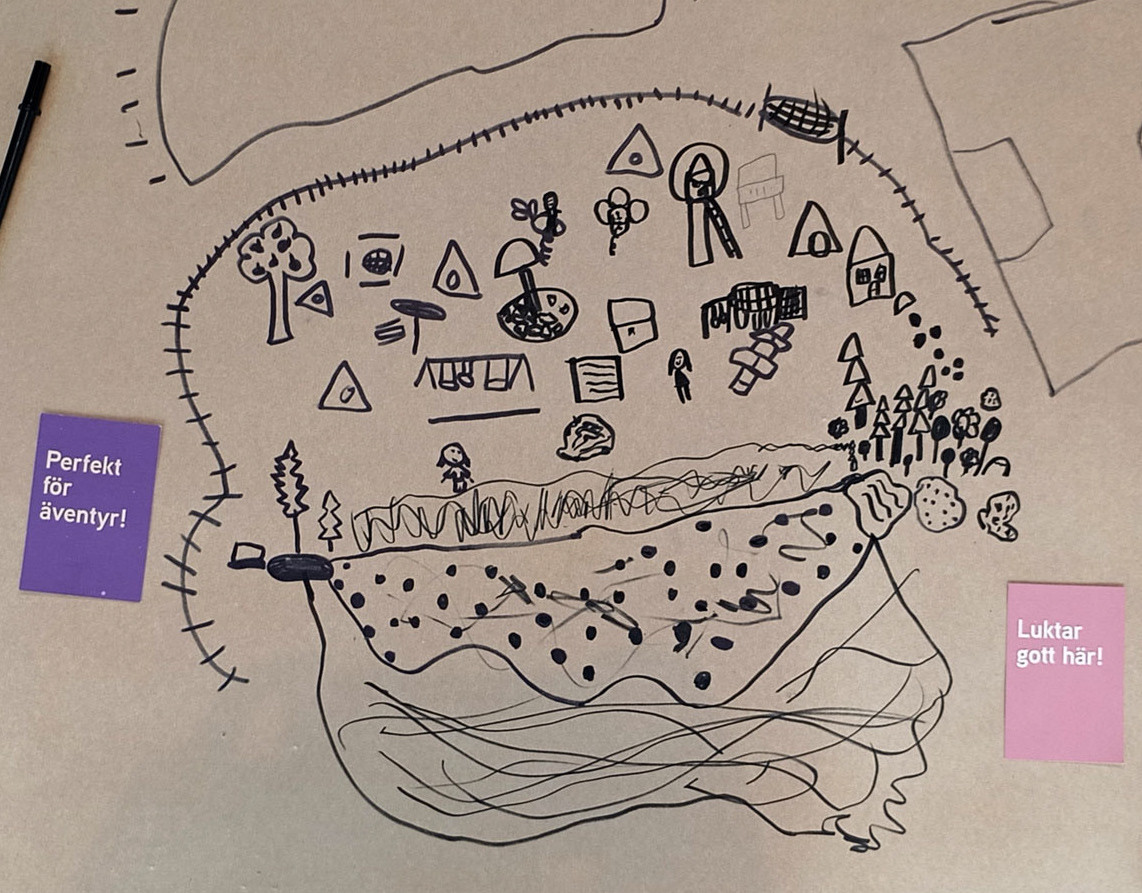
One of the clearest patterns emerging from this workshop as well was that children rarely started by thinking about specific places. Instead, they more naturally talked about things that had happened, games they had played, activities they enjoyed or particular details they remember from a place. This suggests that, for children, the place itself can be secondary to what happens there.
Comprehending Illustrations
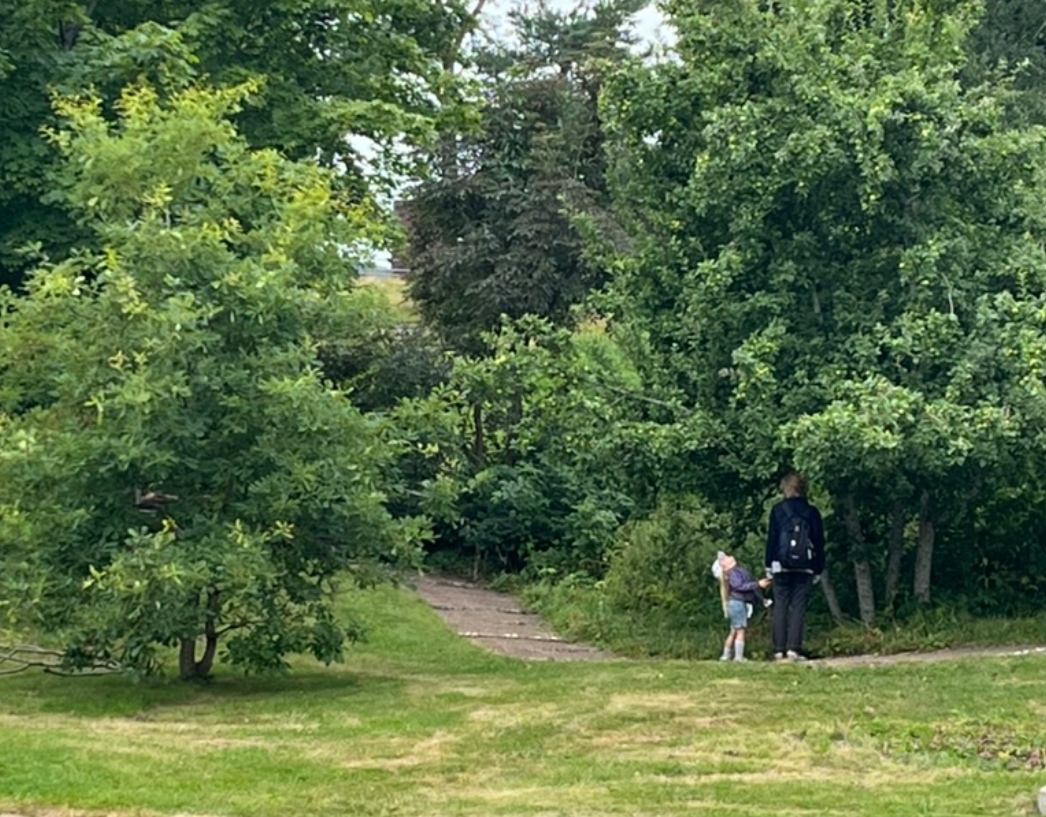
We also noticed how strongly children can connect an illustration to a particular environment. When an image contained recognizable environmental elements, children sometimes identified the setting first and then started suggesting activities that could take place there. This demonstrates how the children’s experience can lead them to associate an illustration or image with a specific activity or place, even when the intention is to communicate a broader experience.
At the same time, the children’s responses showed the value of keeping the illustrations open to interpretation. A single visual prompt could lead to very different activities, memories and associations.
The workshop also showed how children’s experiences of places are not static throughout the year, and activities connected to snow, rain, autumn leaves, sunlight or muddy ground may all form an important part of how they understand and remember a place. The visual language therefore needs to be flexible enough to accommodate different seasons and conditions.
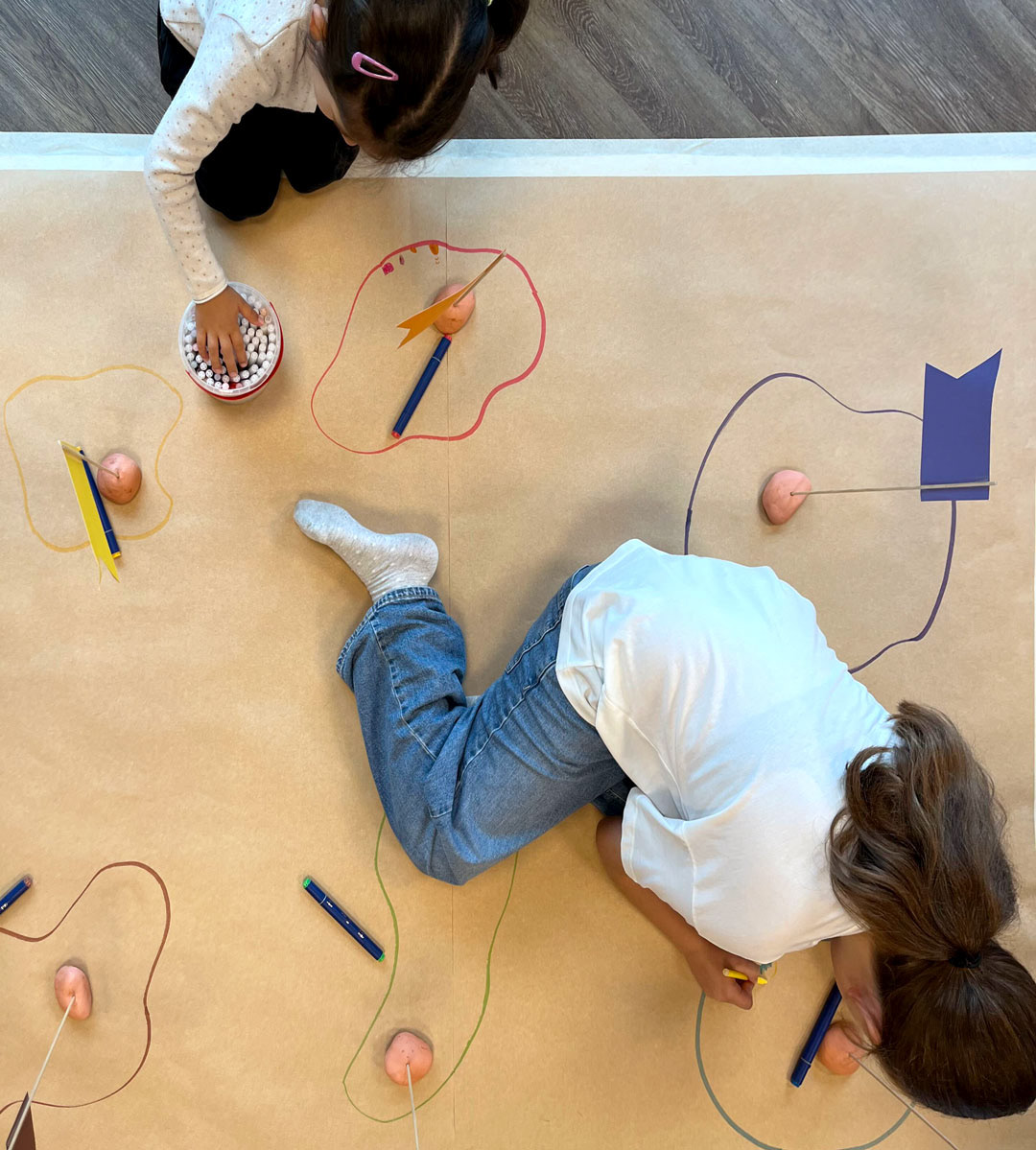
Photo: Simona Cavalieri
The central challenge emerging from the workshop is finding a balance between being too specific and too abstract. An illustration needs to provide enough visual information for children to recognise a type of experience without words, while remaining open enough to include different activities, places, memories and seasons.
The aim is therefore not necessarily for every child to interpret an illustration in exactly the intended way, or to identify a specific place immediately. Instead, the images should act as prompts that encourage children to think, remember, imagine and become curious about places they might want to explore. This reinforces the idea that, within Barnens Smarta Karta, the experience may be a more natural entry point for children than the place itself.
Would you like to join us next time?