Nineteenth Stop
Workshop at Kulturhuset Kåken · June 2026
Workshop Leader: Leila Natsheh
Workshop Assistant: Priyadarshini Chilaka
Workshop Assistant: Priyadarshini Chilaka
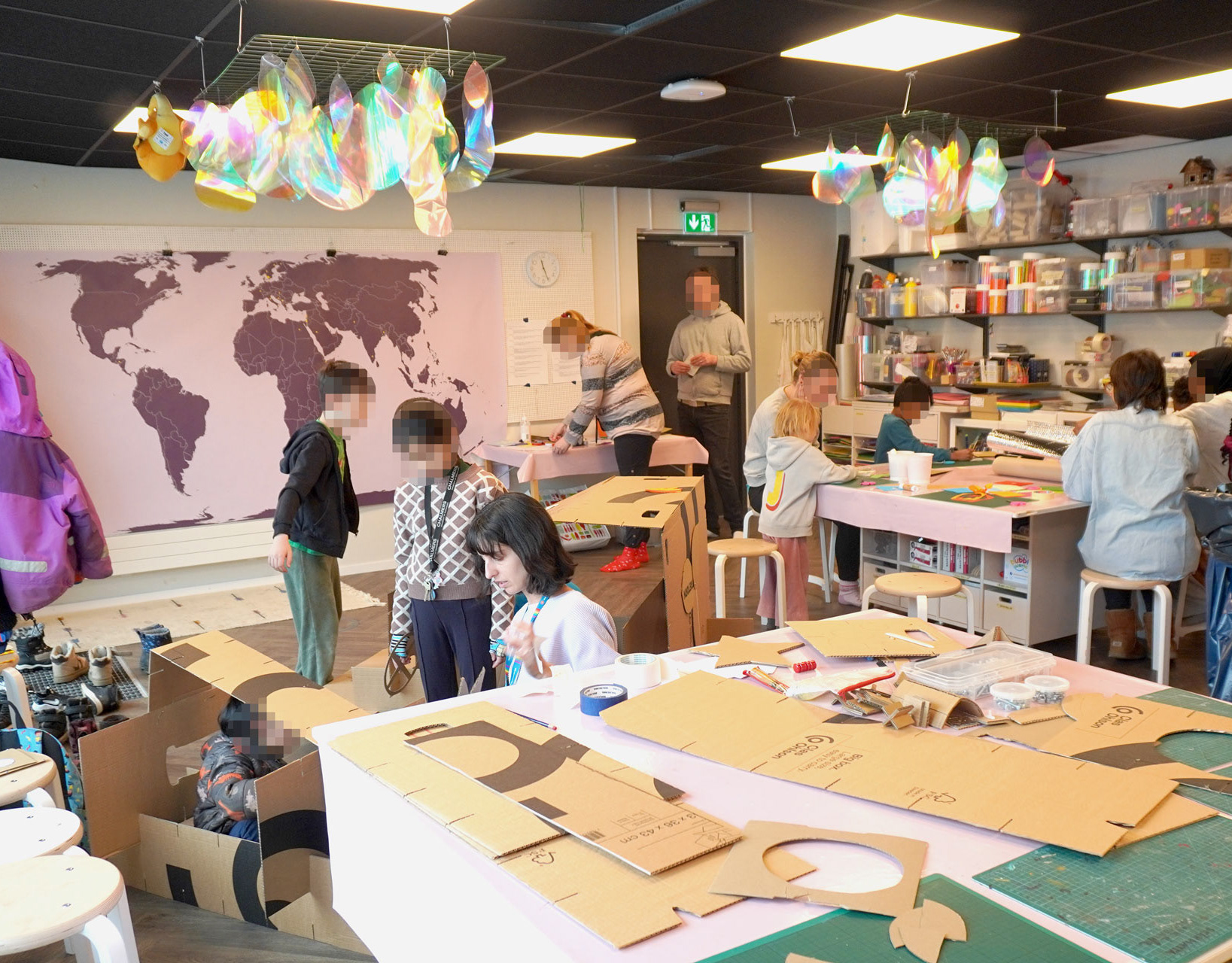
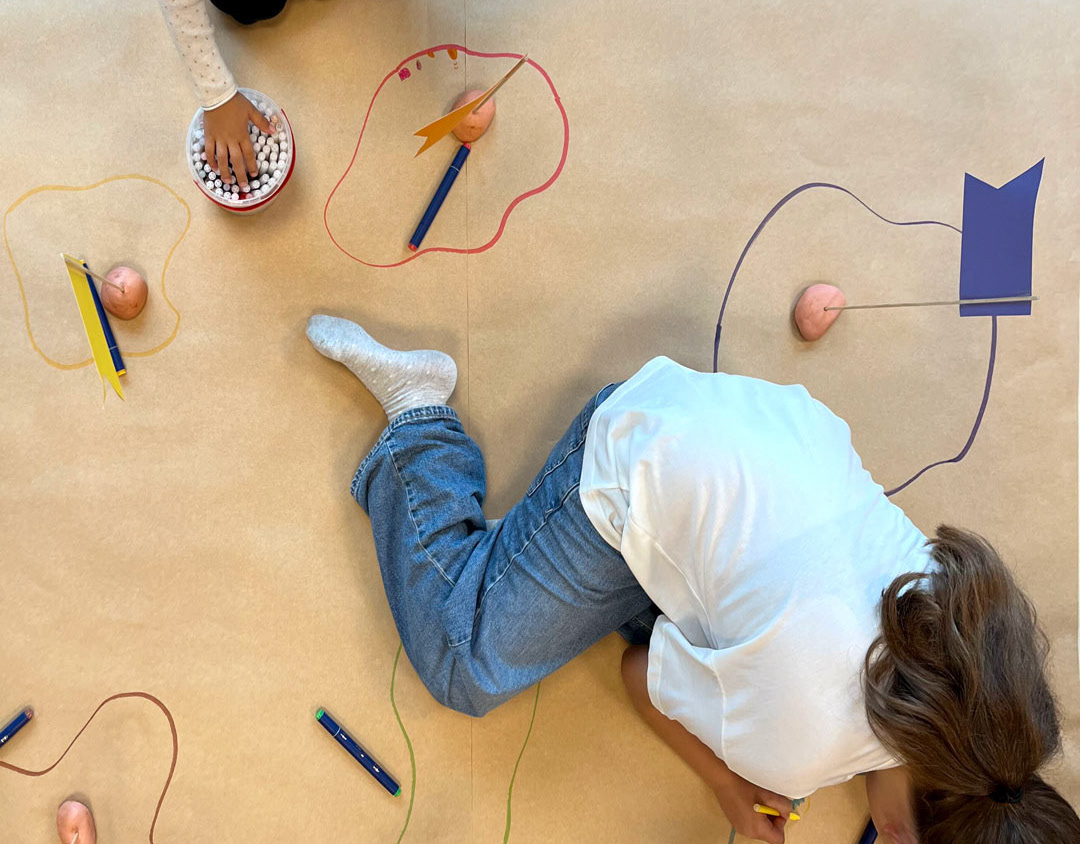
At Kulturhuset Kåken children approached the large sheet of paper on the hallway floor with curiosity. They wanted to know what the activity was about and how they could contribute to the collective map we were creating together.
We always begin our workshops with a small “check‑in”: each child chooses a symbol to stamp on a sheet of paper, then writes their initials and age. It’s our way of introducing ourselves to the children, learning their names, and adding them to the long list of contributors to Barnens Smarta Karta. It shows that we are doing this together, and that everyone is recognized.
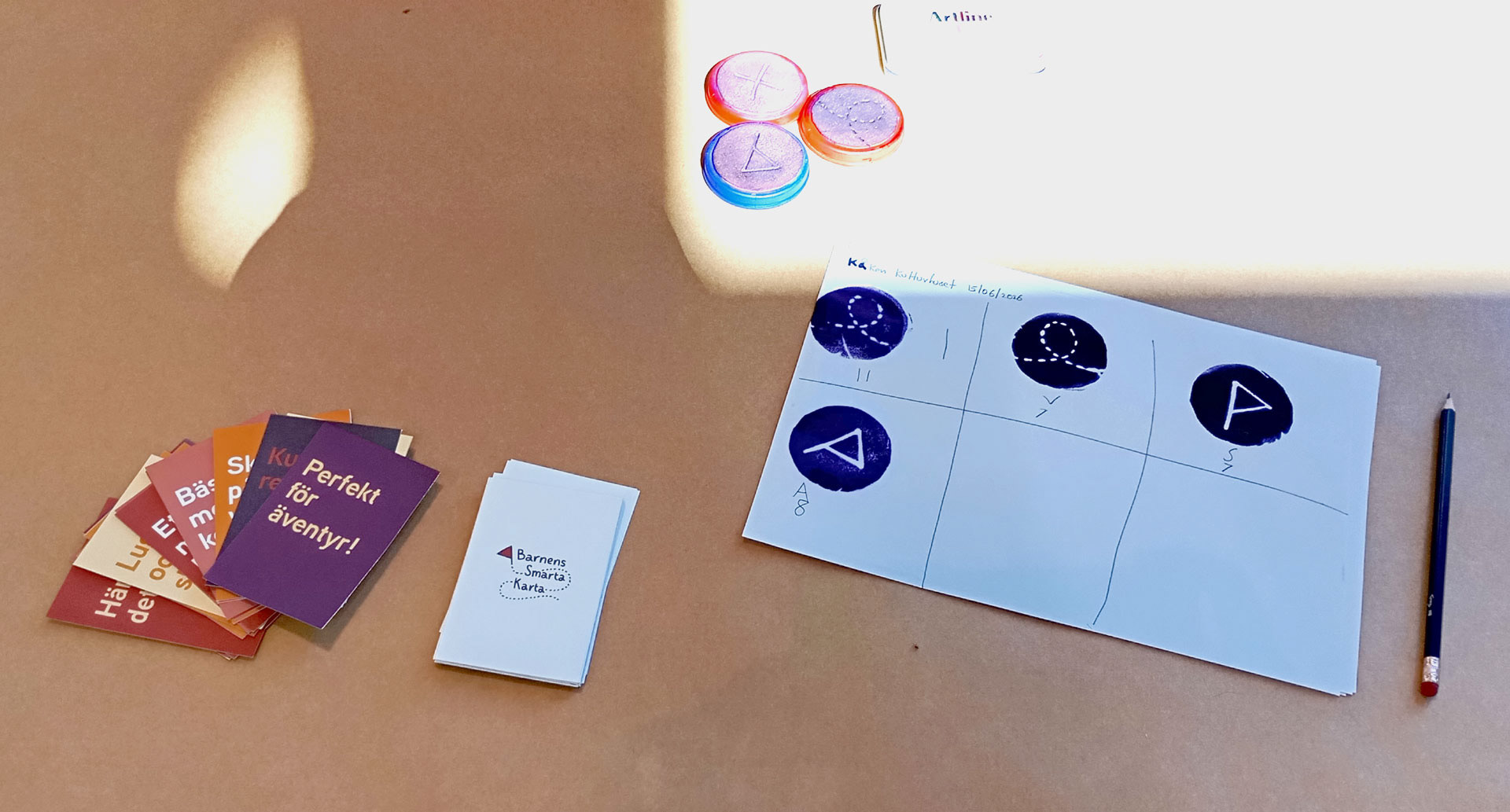
Photo: Leila Natsheh
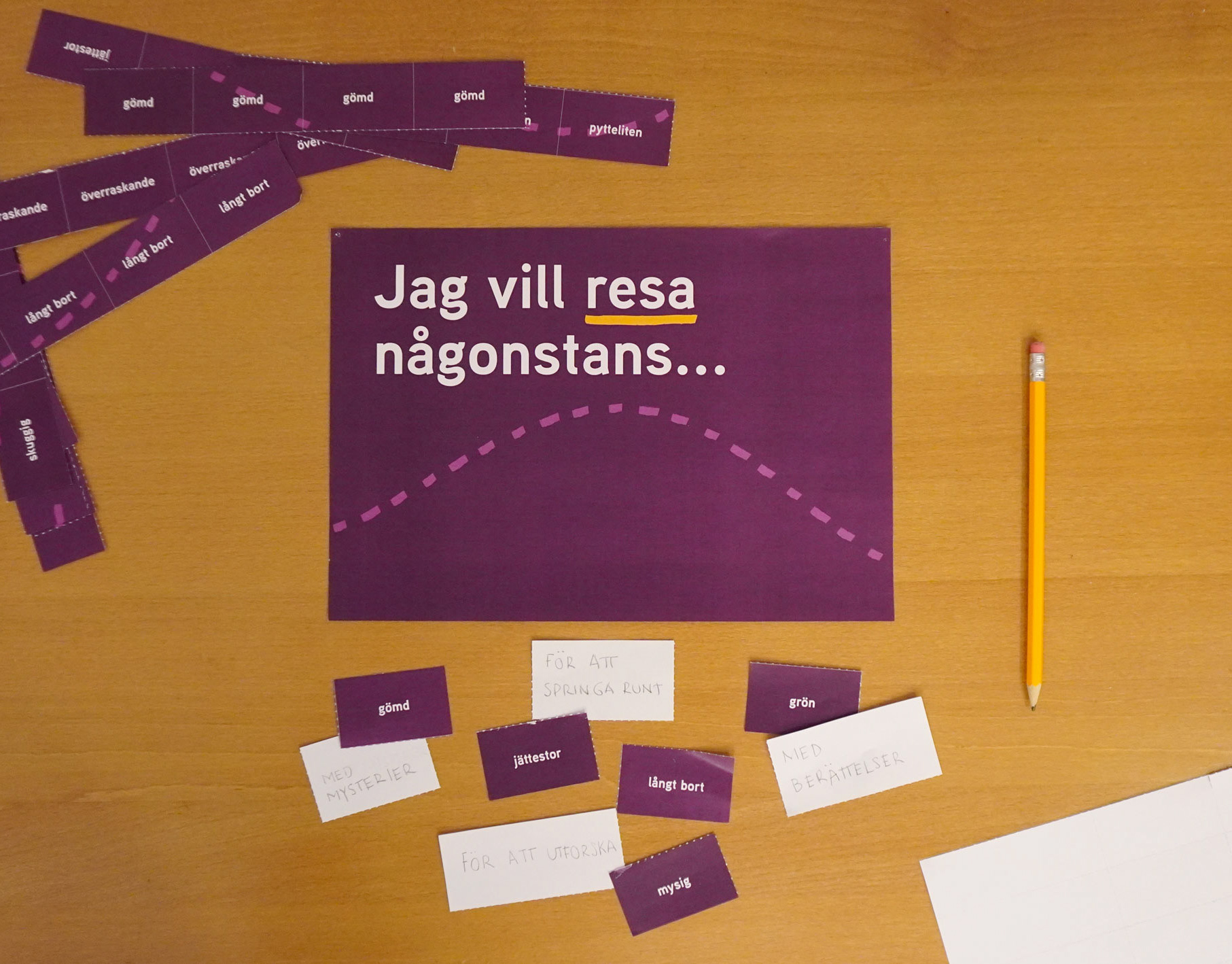
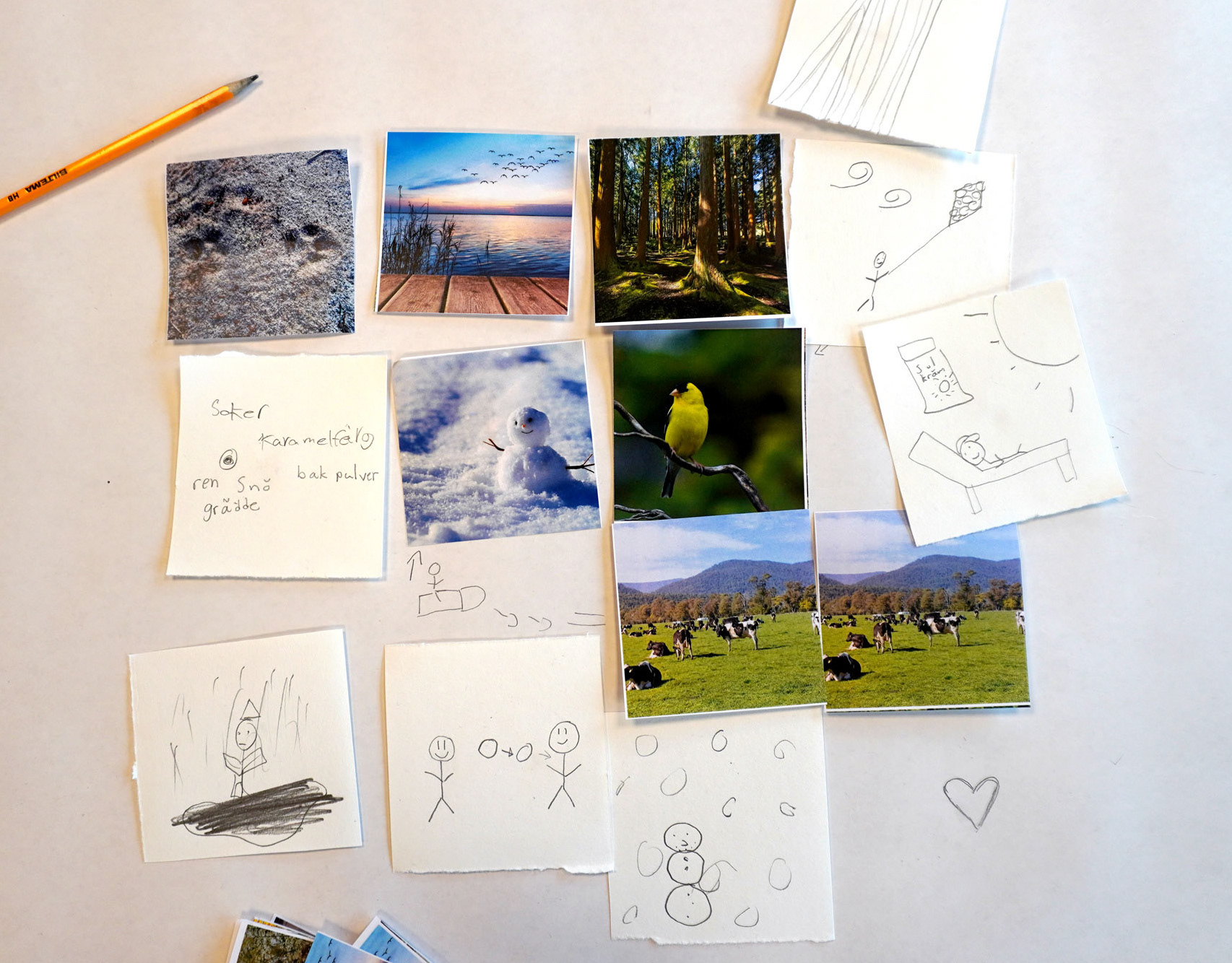
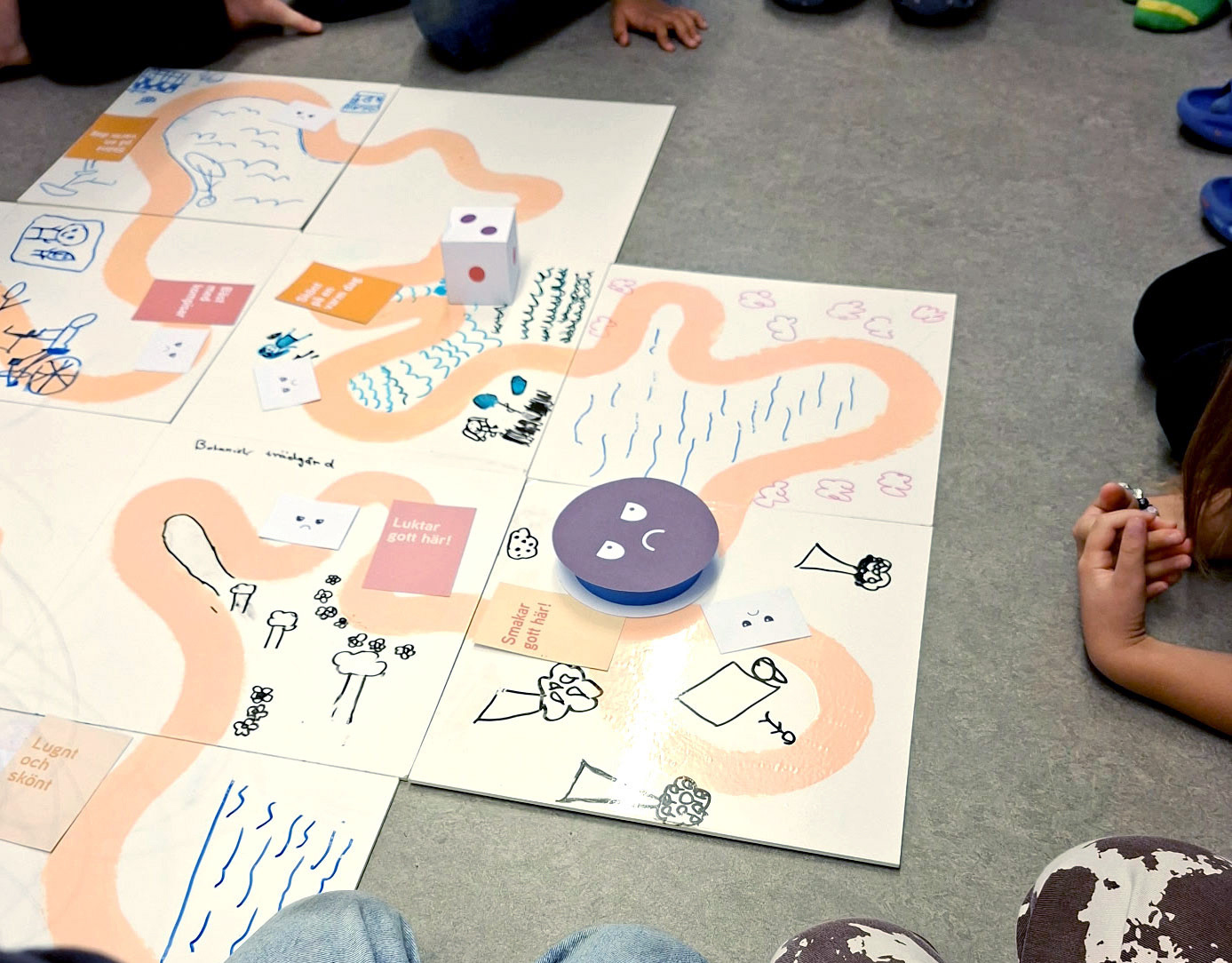
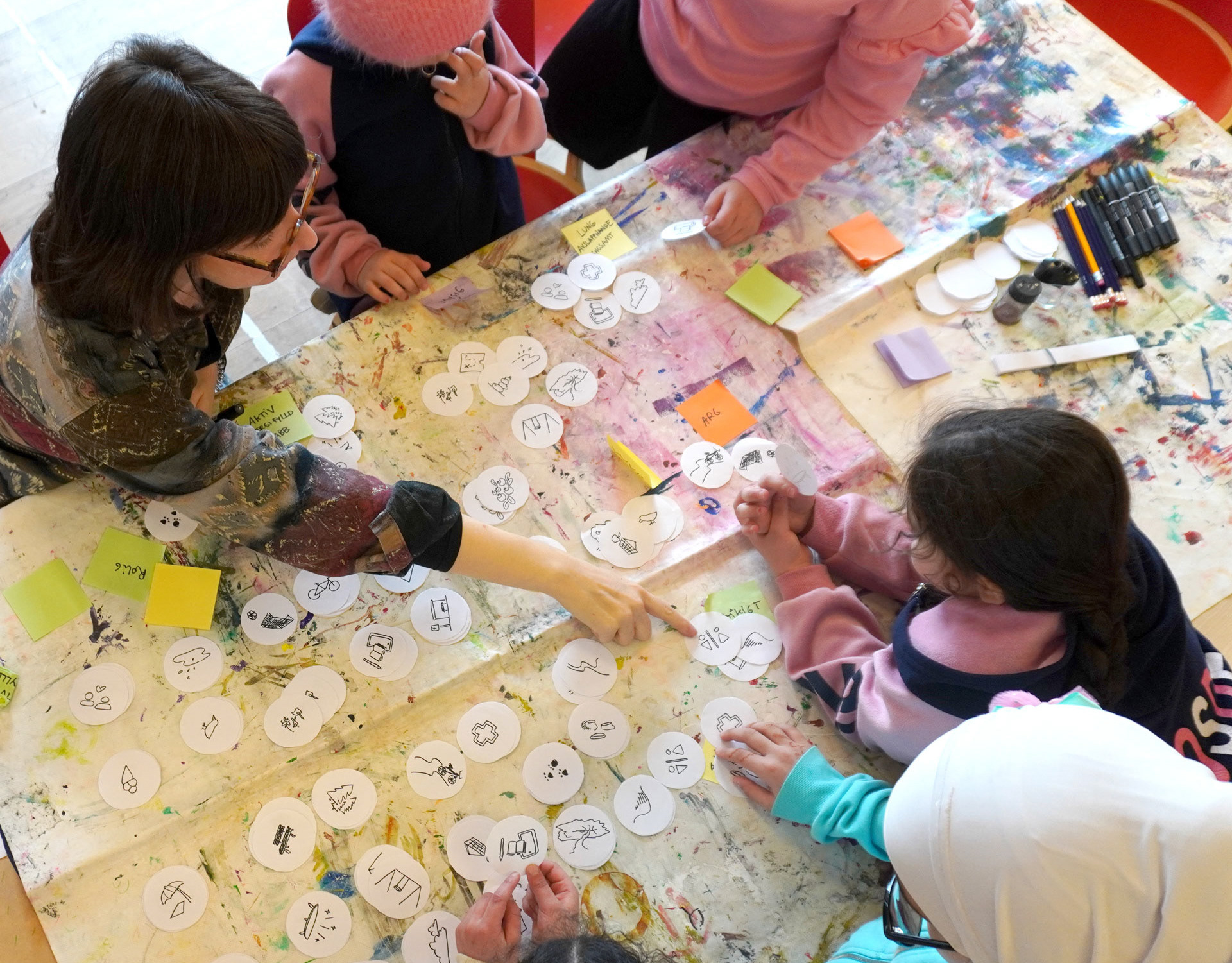
To add something to the collective map, children could either draw a card from a deck that we had designed or look through the cards and choose one. Each card had a short description of a type of place. Their task was to draw something inspired by the description. Most children preferred drawing a random card and being surprised. Children of all ages found the task engaging and easy to understand. Those who contributed ranged from 3 to 11 years old, and many wanted to draw several cards and add multiple ideas to the map.
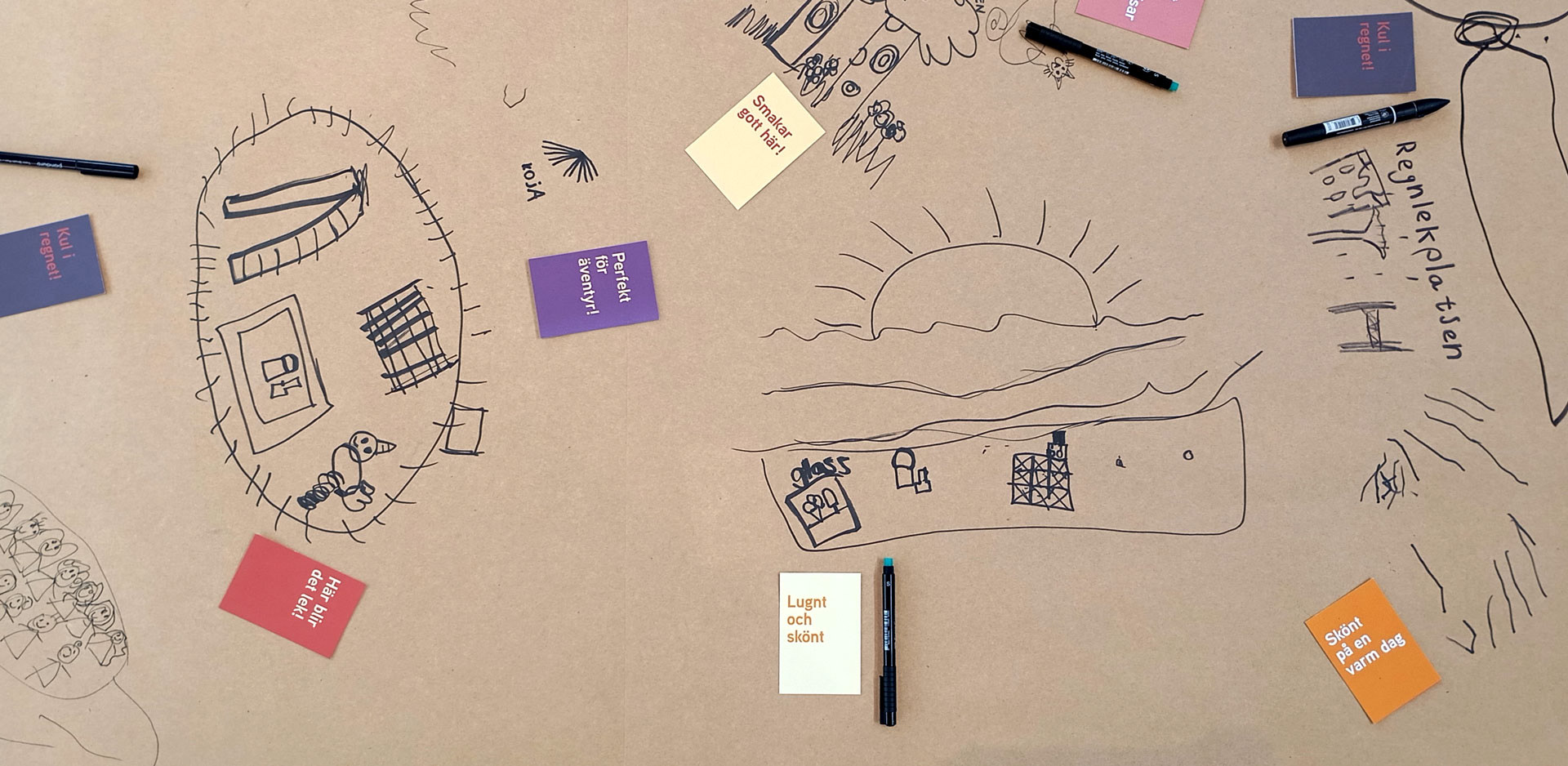
Photo: Leila Natsheh
Places Nearby
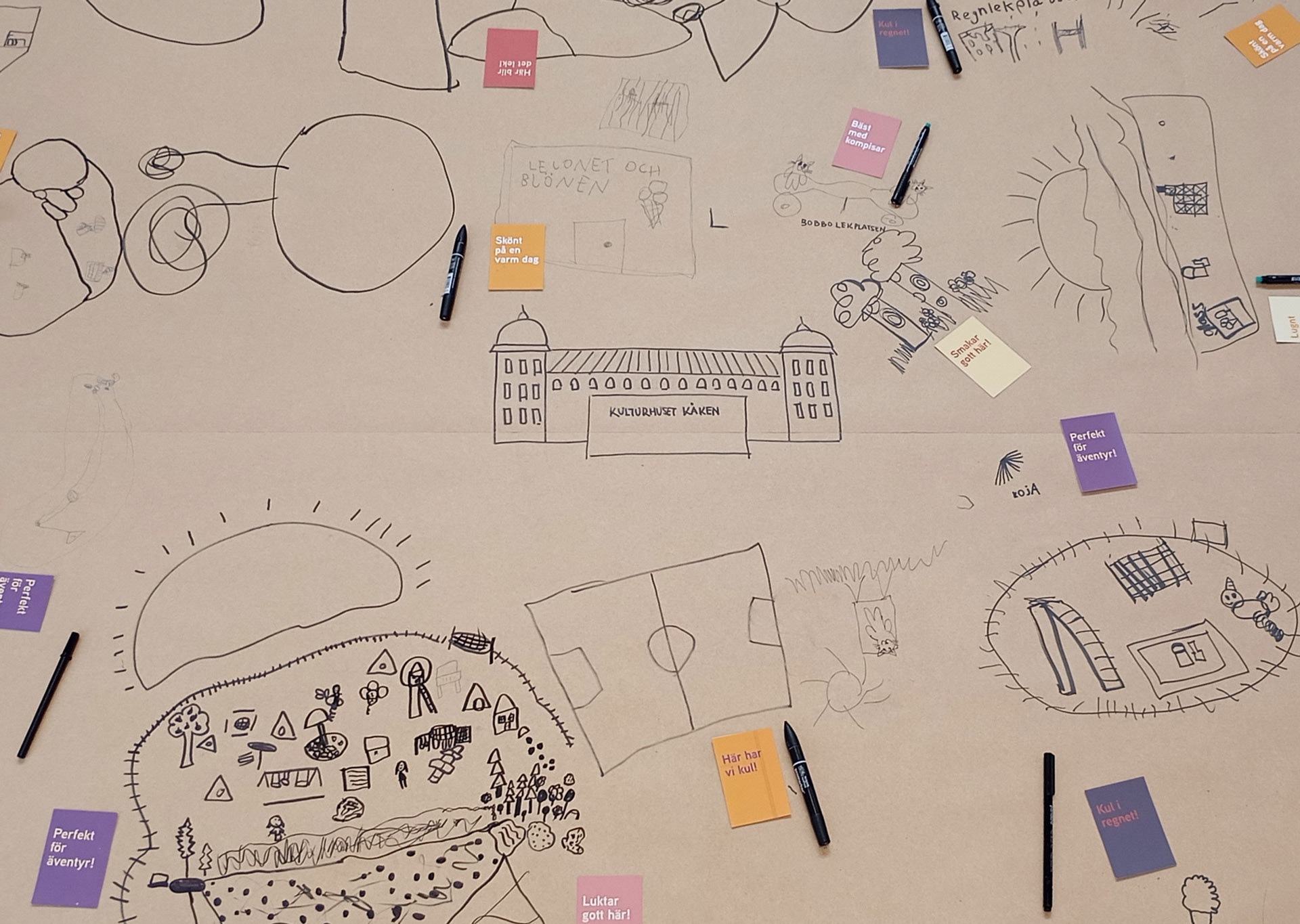
Many children added places very close to their homes, often within walking or biking distance. The map became a portrait of the neighborhood, except when it came to the sea or the beach, since this area is inland and far from the coast.
It was fascinating to see that children chose places they know well and remember vividly, rather than places that adults might consider more “special” but are farther away.
Photo;: Leila Natsheh
Perception of Distance and Direction
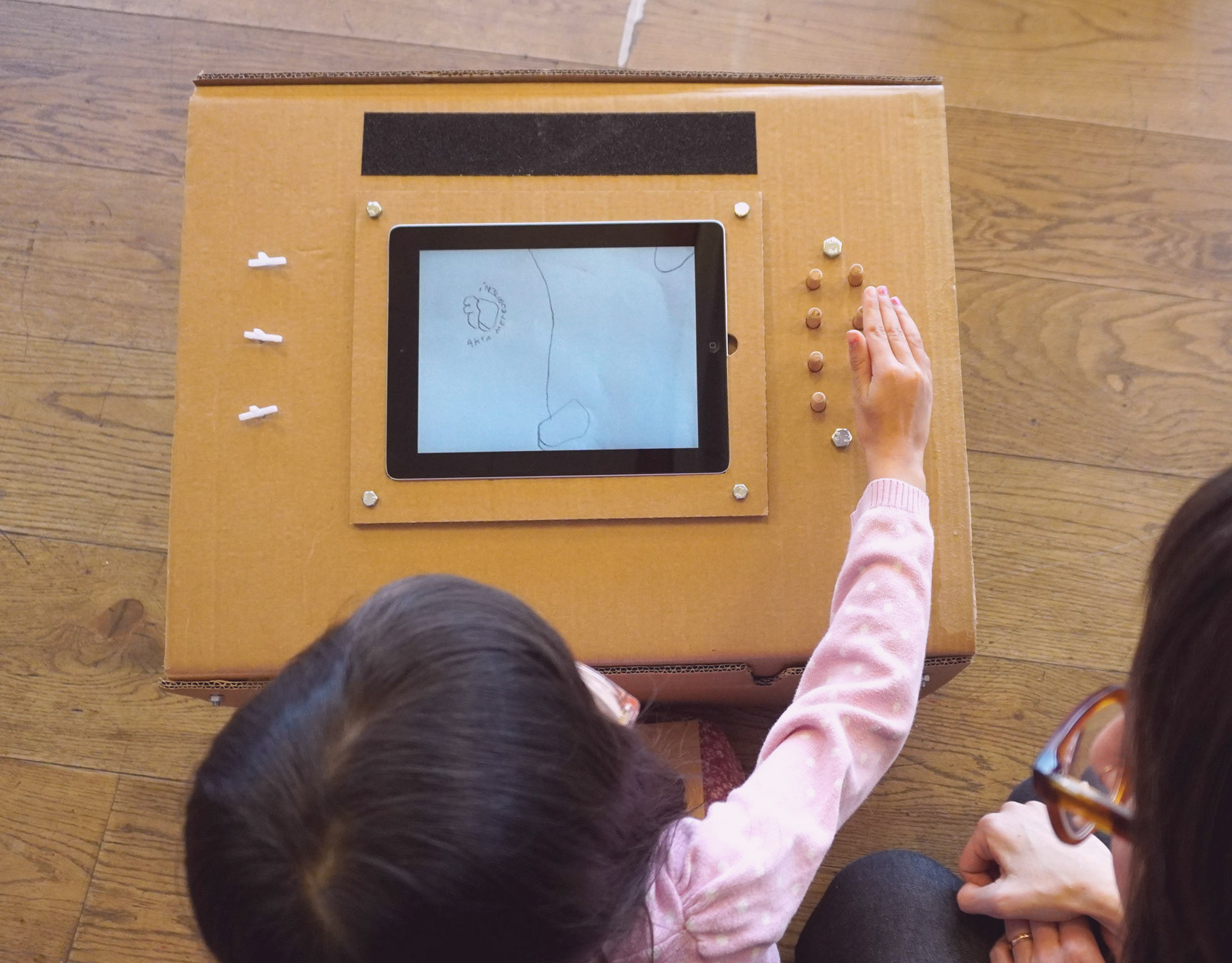
Another part of the task was to look at the map and place the outdoor space they were thinking of in relation to the drawing of Kulturhuset Kåken at the center. How far is this place? How far does it feel? In which direction is it?
Many children didn’t have realistic or accurate ideas of distance, but they knew where the place felt like it should be, and they confidently placed it on the map.
“I don’t know exactly where it is… Not very far, but not close. Somewhere in between.” — I, 11
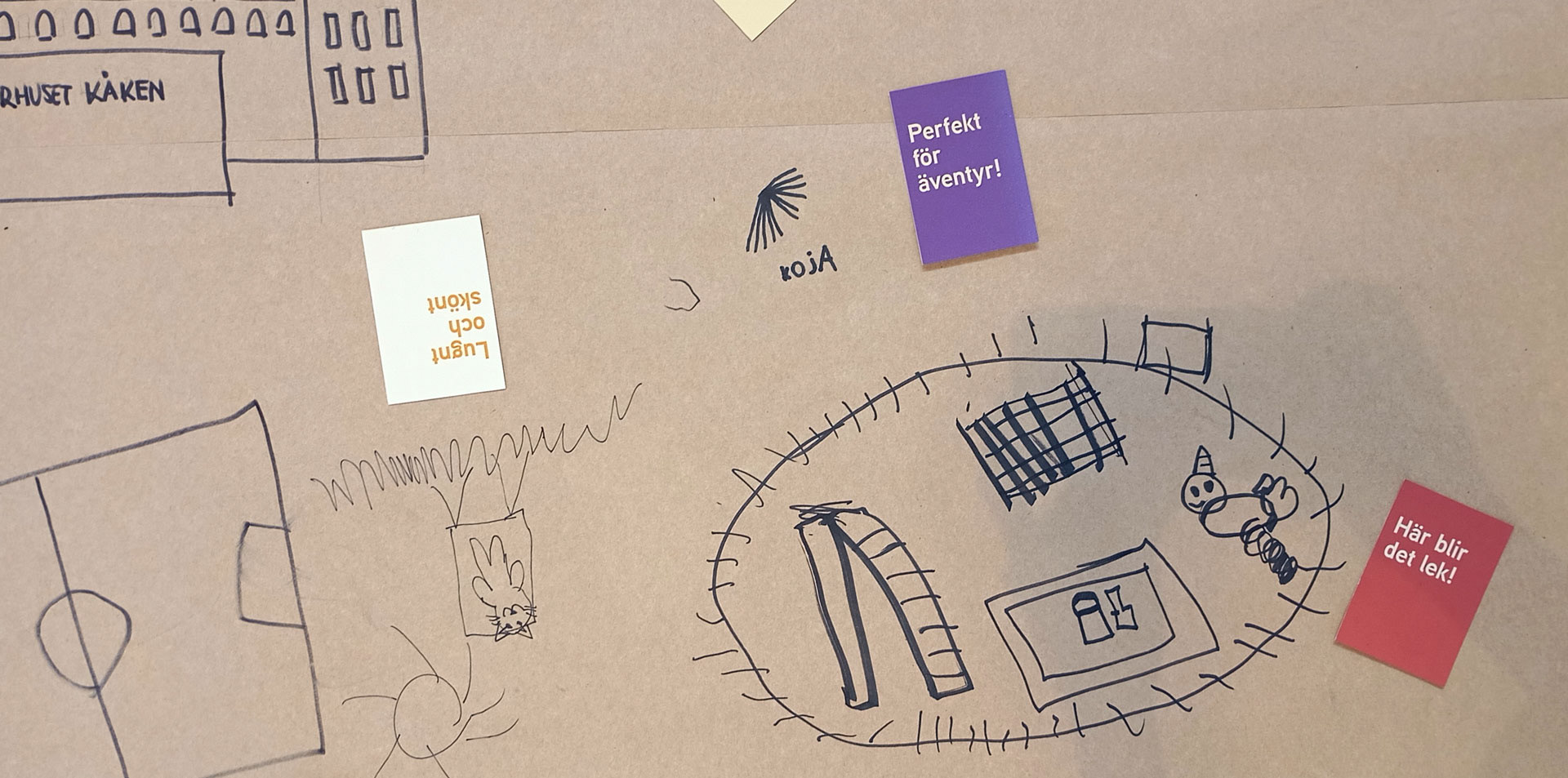
Photo: Leila Natsheh
A Must!
One card worked well for some children but stressed others: “A must! Everyone should go here.”
Thinking of “the perfect place” felt overwhelming, so many children skipped this card and chose others with more concrete descriptions, such as “Fun in the rain!”, “Nice on a hot day!”, or “Best with friends.”
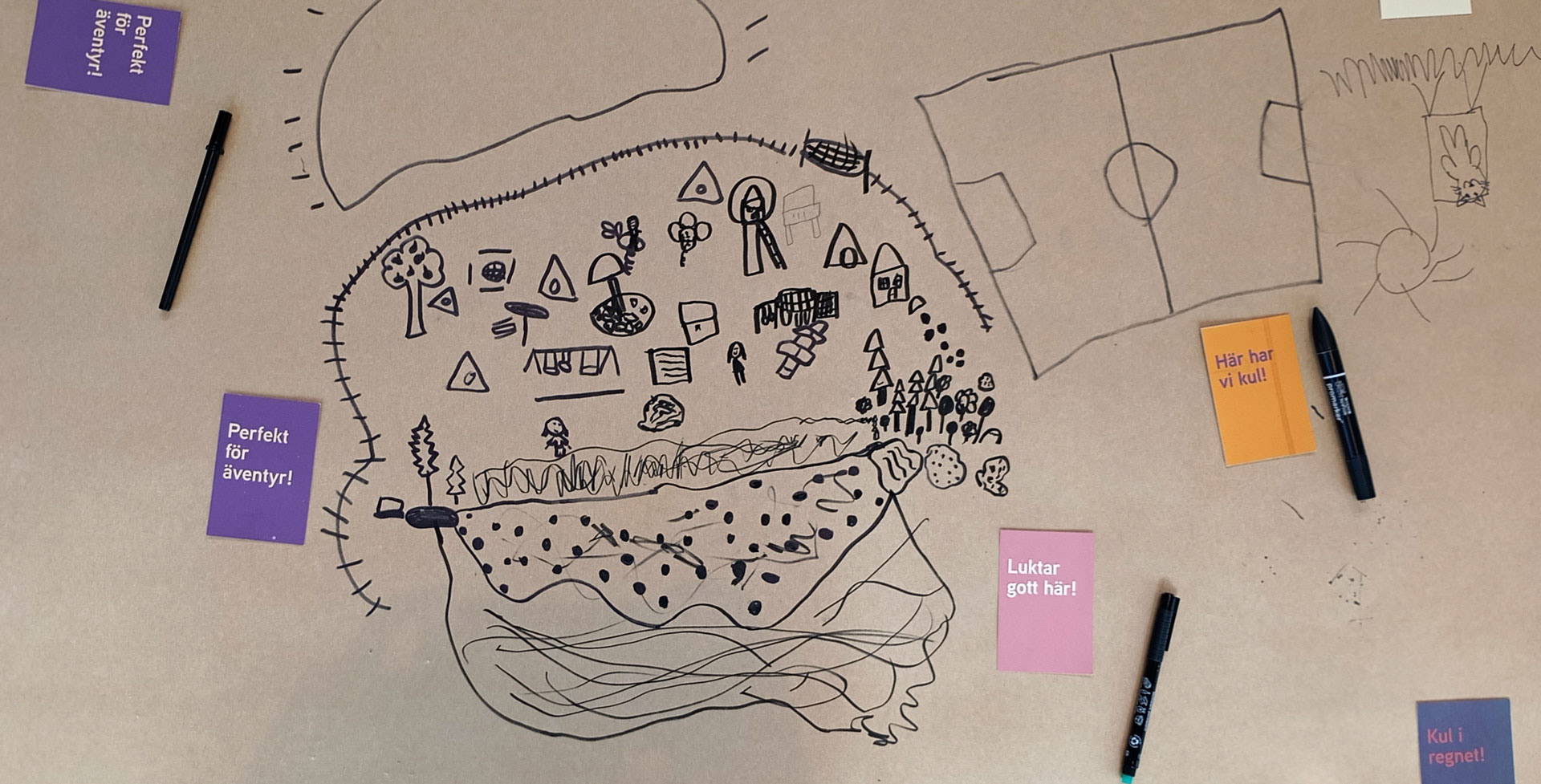
Photo: Leila Natsheh
“The forest and the flowers in the forest smell nice.” — S, 8
Härlanda Tjärn
Two friends joined the workshop together and each drew a different card: “This is where adventure happens!” and “It smells nice here.”
Even though they had different prompts, they soon realized they were both drawing the same place: Härlanda Tjärn, the lake in their neighborhood. They combined their drawings and created a detailed illustration of the entire area around the lake.
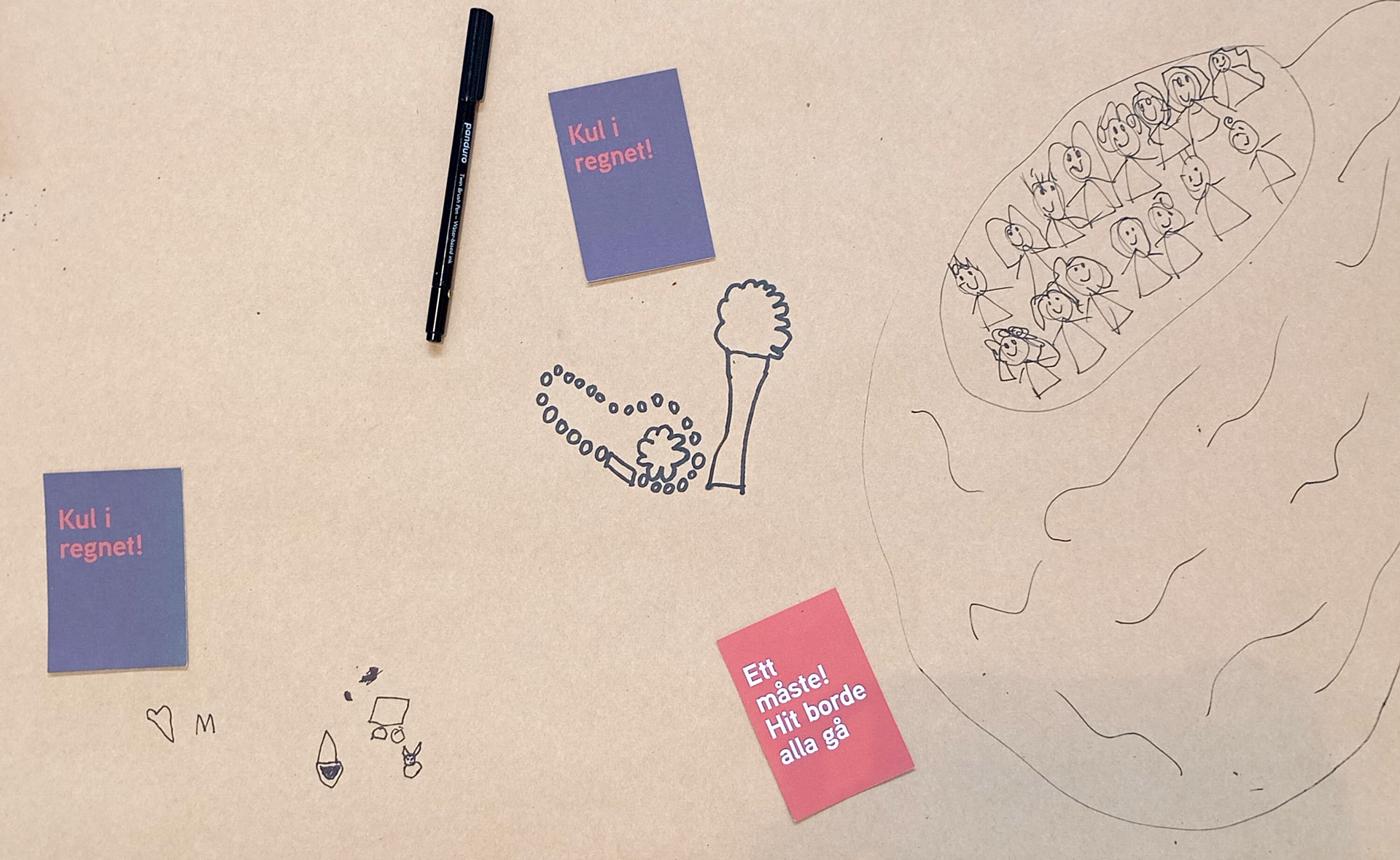
Photo: Leila Natsheh
“When it’s hot outside and I don’t have time to go far from home, I take my children to a playground nearby that has a hidden water fountain. I just let them play with the water, and they love it!” — a parent
Temporary and Hidden Places
One parent told us about a hidden water fountain — exactly the kind of places we are looking for. These are the places that don’t appear on existing maps, known only to the people who live nearby, and valuable for others in the neighborhood to discover.
She shared this spot after her 5‑year‑old daughter drew her favorite rain puddle — a puddle that appears only during and after rain. It’s a popular gathering place for local children, who meet there to play in the mud and jump in the water. It’s temporary, seasonal, and deeply meaningful.
Would you like to join us next time?