Twenty-third Stop
Workshop at Ellen Keyskolan with Lights On · September 2026
Workshop Leaders: Leila Natsheh and Simona Cavalieri
Workshop Assistants: Esma Kadribegovic and Vasco Keppel
Workshop Guest Assistants: Lisa Rosengren, Lucille Martin and Noémie Pascal-Terras
Workshop Assistants: Esma Kadribegovic and Vasco Keppel
Workshop Guest Assistants: Lisa Rosengren, Lucille Martin and Noémie Pascal-Terras
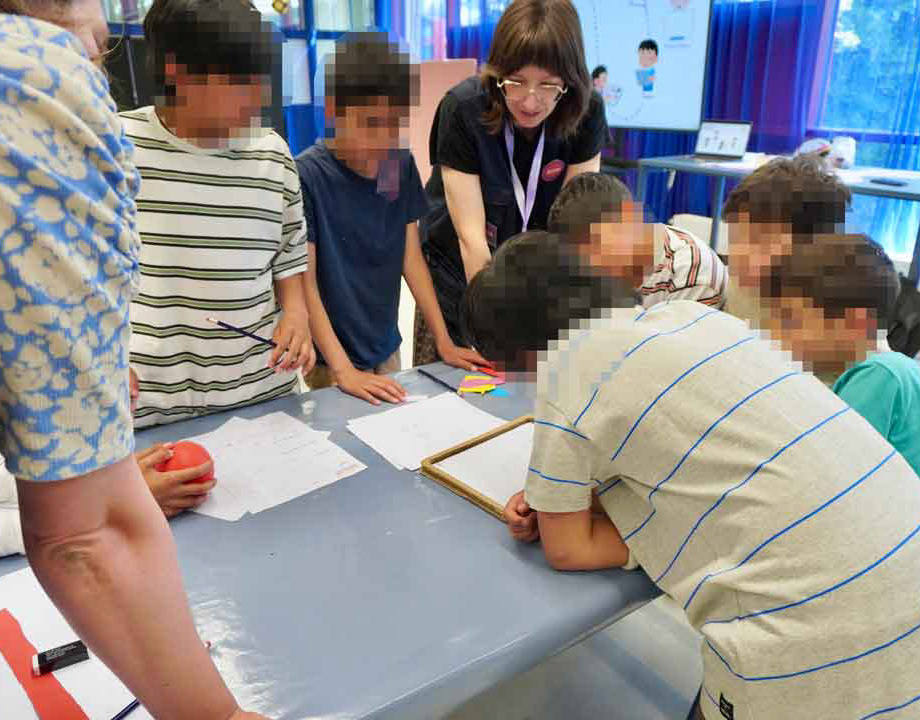
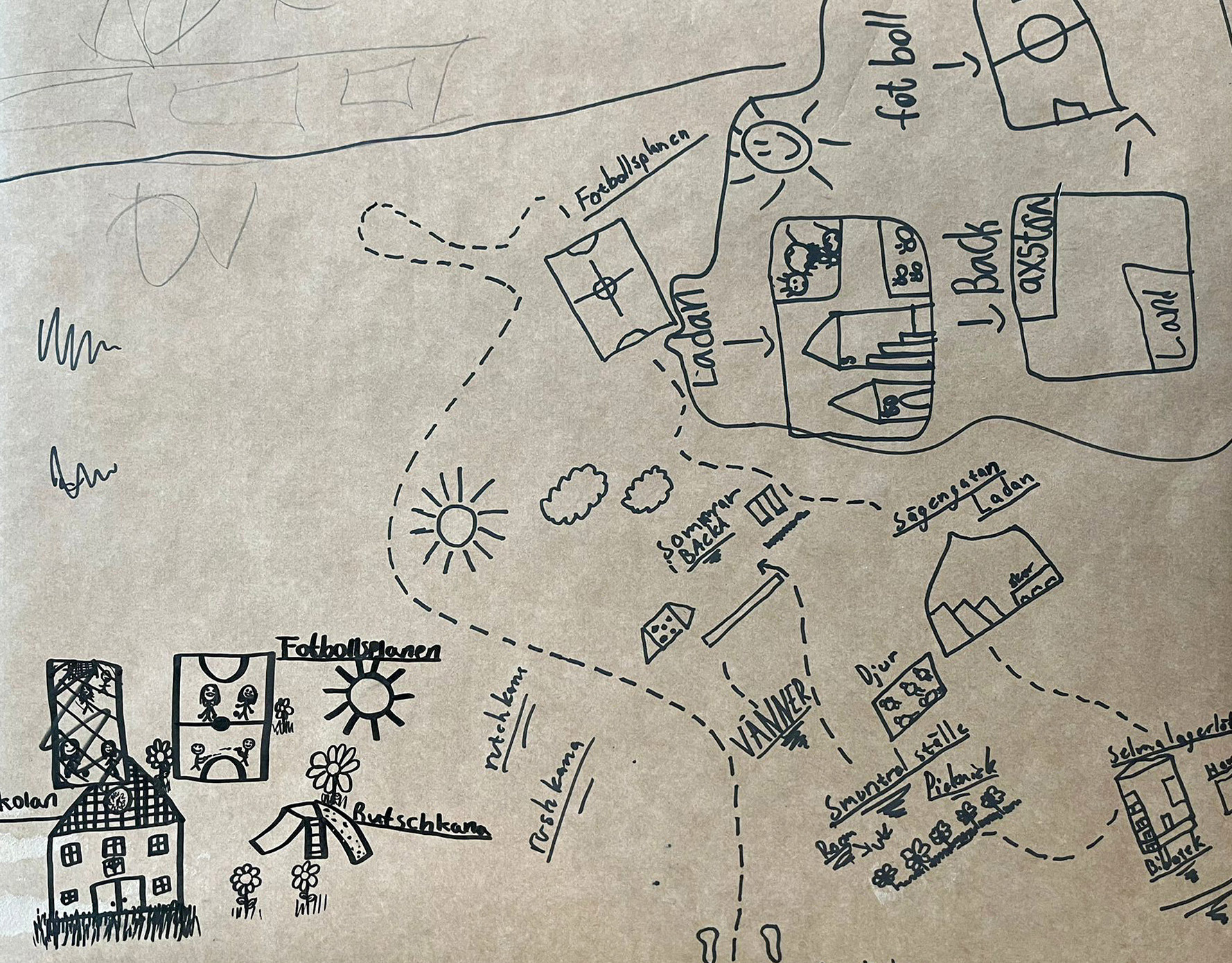
We facilitated four workshops at Ellen Keyskolan, all connected to the theme of safety and security. During the same week, these topics were discussed with residents of Backa, the area where the school is located.
For the development of Barnens Smarta Karta, this theme is particularly important. To create a platform that supports children and families in finding suitable outdoor places, we need to better understand the concerns, fears, and needs that children aged 6 to 13 experience when spending time outdoors.
We held two workshops with fourth-grade students, all of whom would turn ten during the year, followed by two workshops with second-grade students, who would all turn eight.
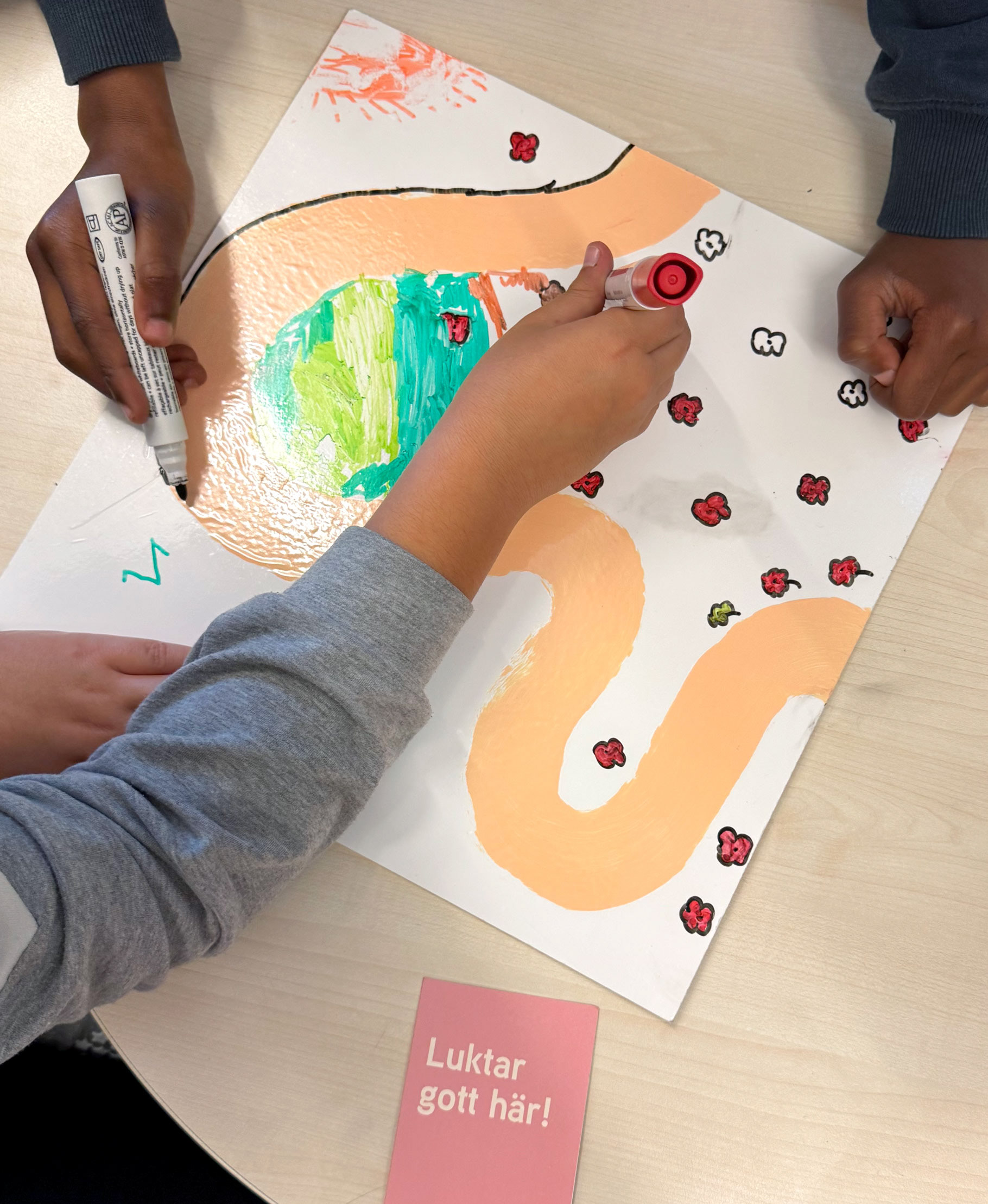
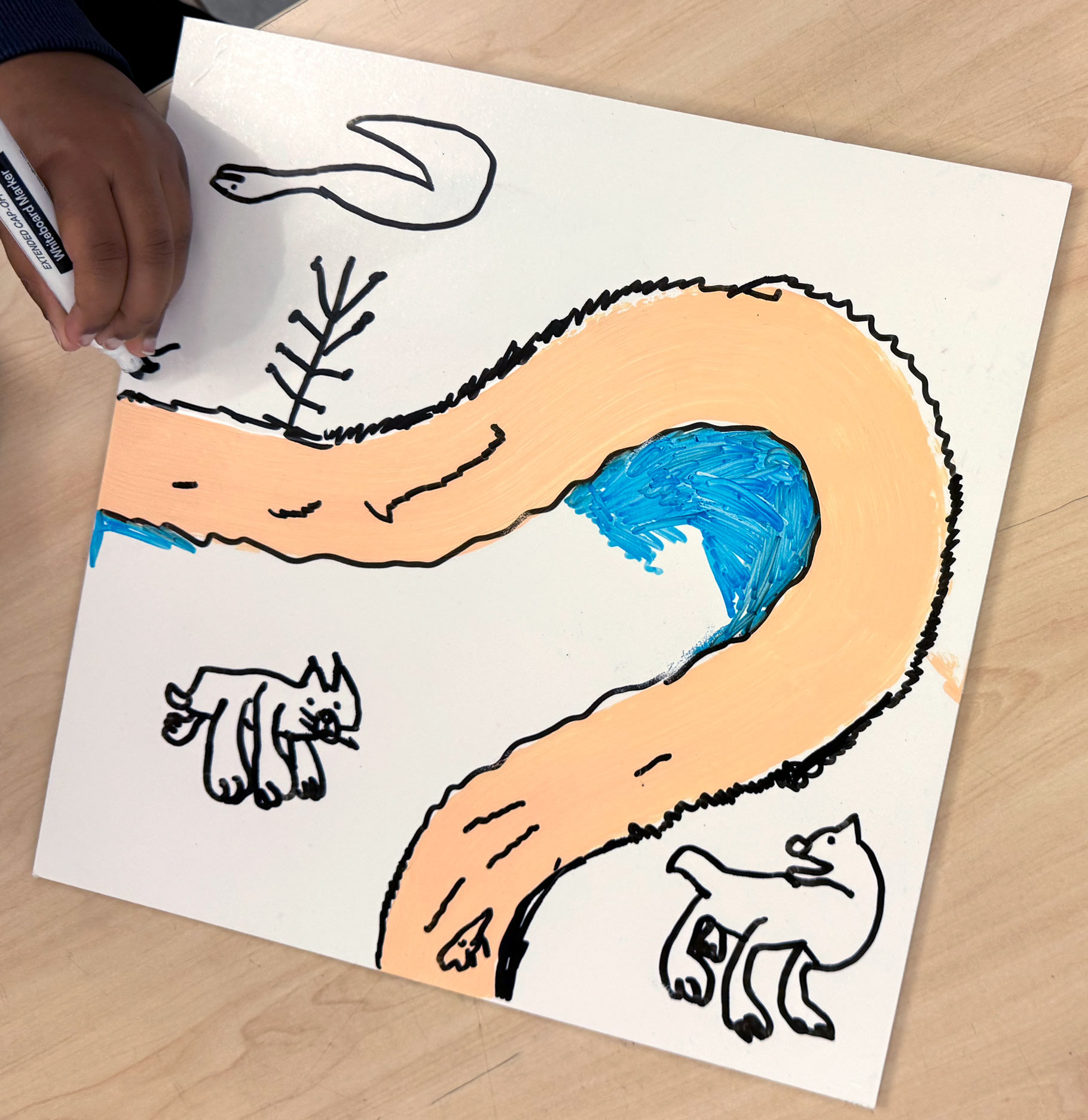
Photo: Lucille Martin
Creating Space for Conversations
The workshop was designed as a way to start conversations about places children enjoy, what can negatively affect their experiences, and how challenges can be addressed.
Through drawing, storytelling, and play, children were given opportunities to express both their concerns and their ideas for creating safer and more welcoming environments.
The activity was designed as a collaborative game and introduced step by step:
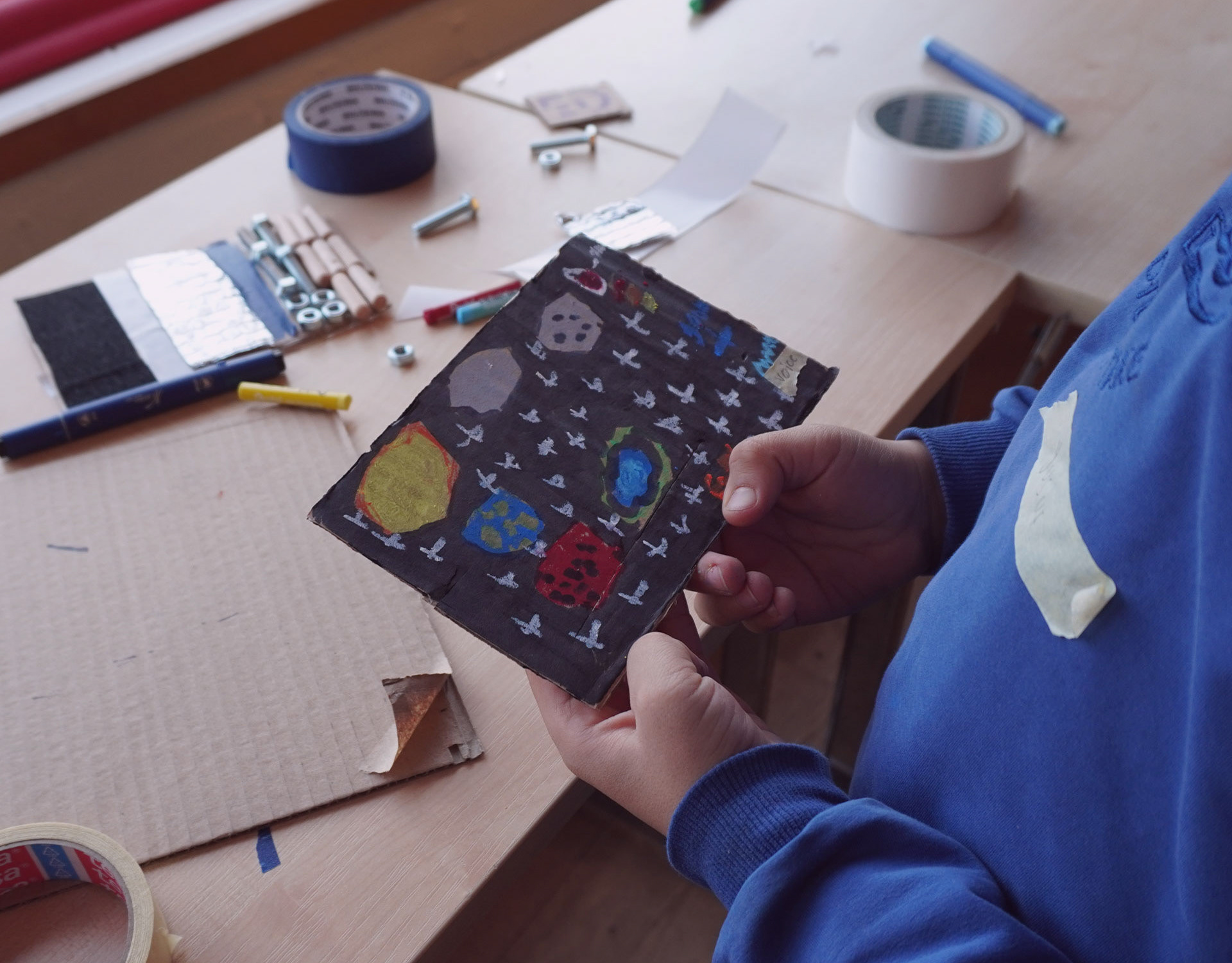
Step 1: Children paired up and shared a game tile that they would draw on together.
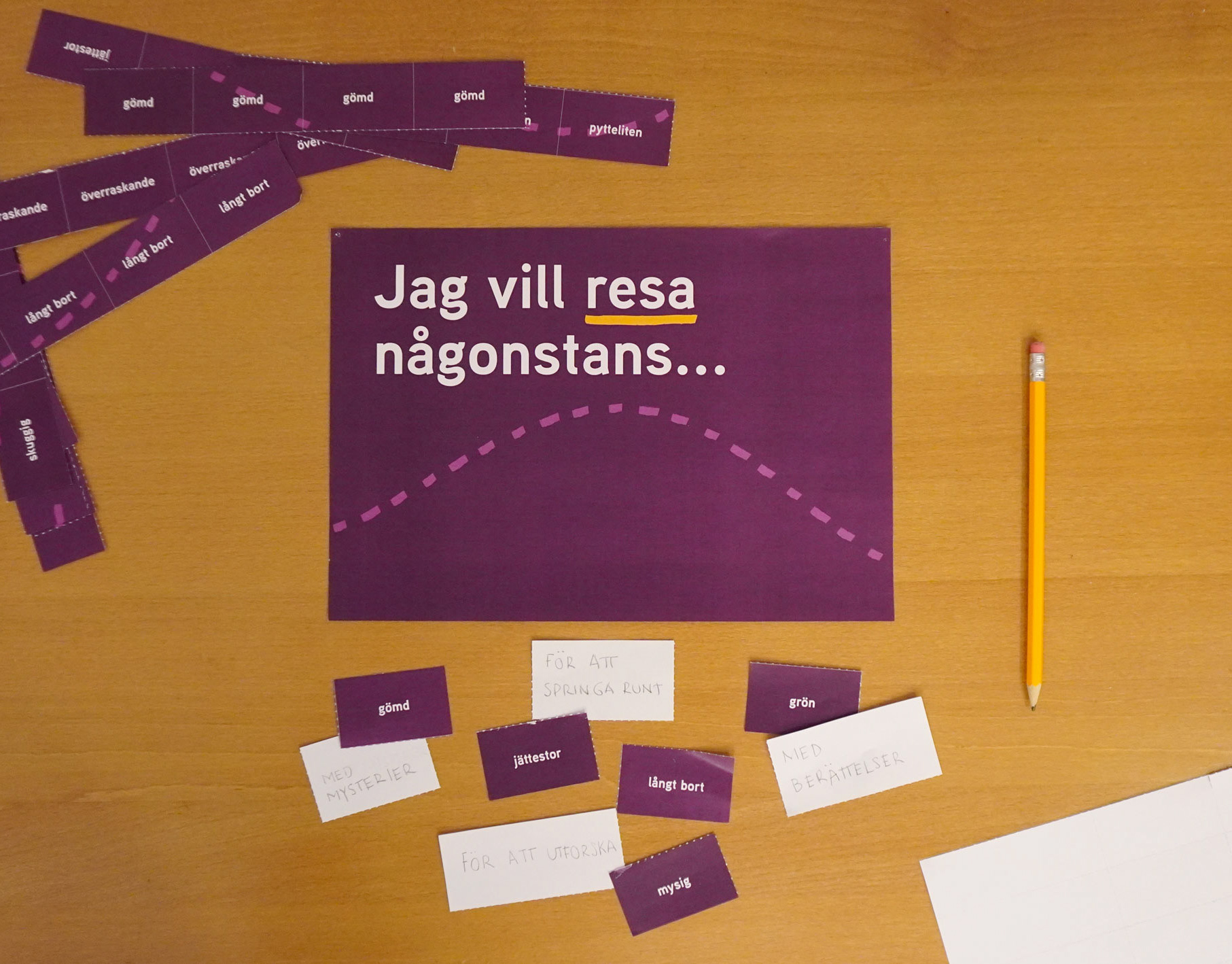
Step 2: Each pair randomly picked a card containing a prompt and drew a favorite outdoor place based on that description.
Step 3: The pairs picked a "ghost card" and wrote down one thing that could make their place feel unpleasant, uncomfortable, or unsafe.
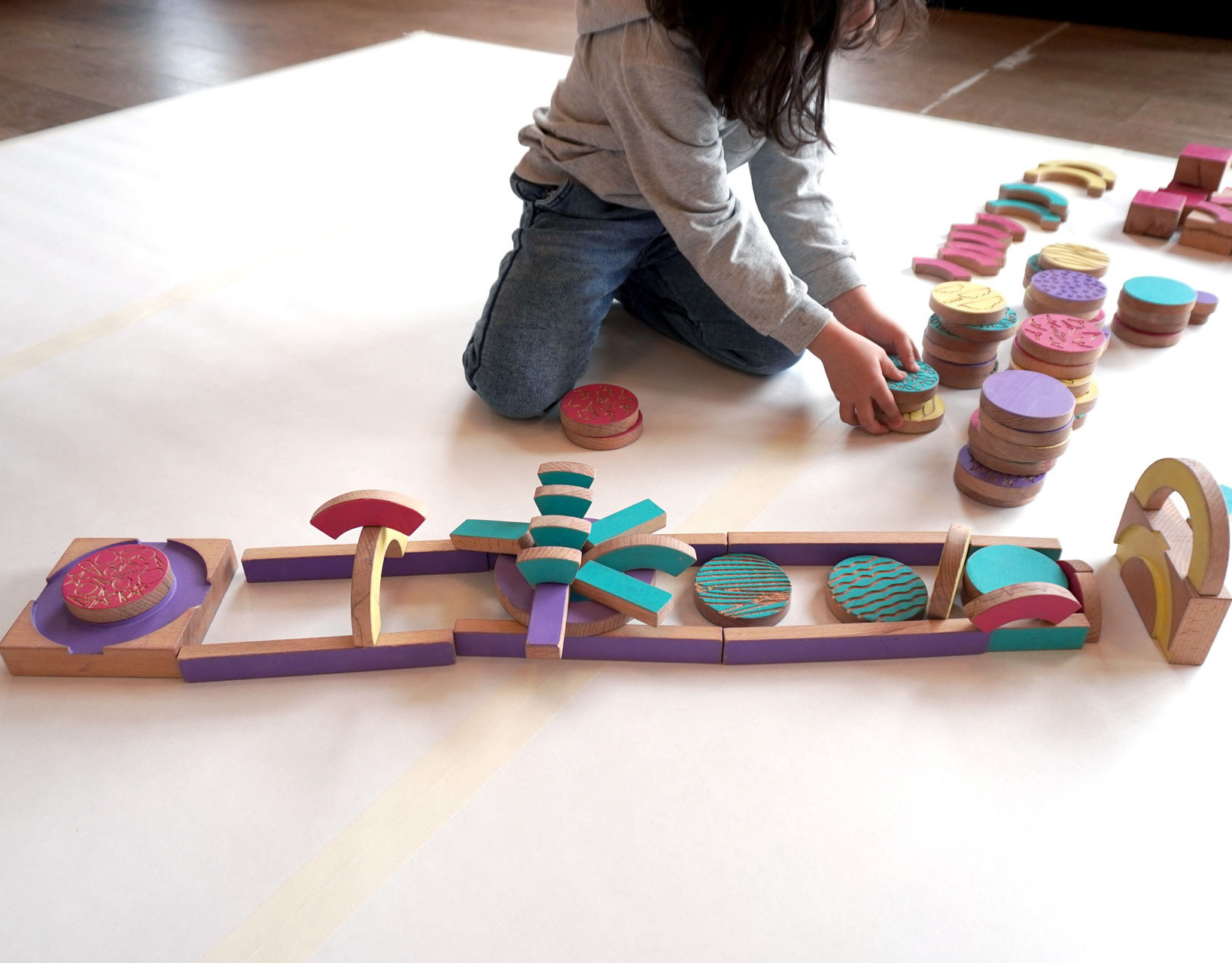
Step 4: All game tiles were assembled on the floor and connected into a larger game board.
Step 5: Children rolled a die and moved a character through the game board. When landing on a tile, they listened to the creators describe the place and explain what the ghost card represented.
Step 6: Together, the group discussed ideas and solutions that could make the place pleasant again.
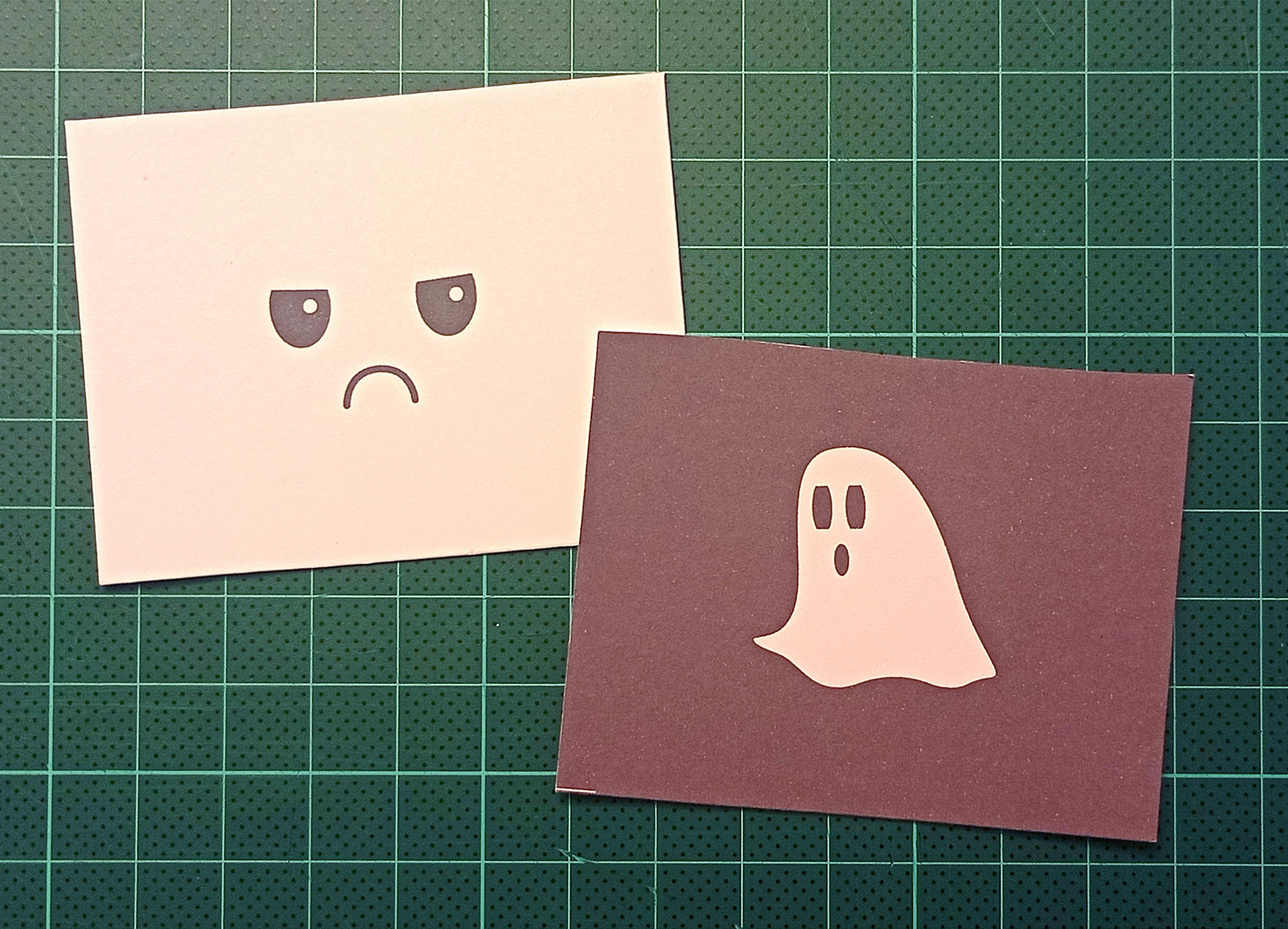
Photo: Leila Natsheh
Iterating the Workshop Design
Our first version of the workshop used a ghost character as a symbol for things that could disrupt positive feelings in a place. While engaging, this approach often inspired highly imaginative and fantastical responses.
After reflecting on the activity, we introduced an unhappy face instead. We also adjusted our language, shifting from words such as scary and unsafe to words like uncomfortable, unpleasant, and uninviting.
This relatively small change had a noticeable effect. Children began focusing more on realistic situations and practical solutions, which provided insights that were more relevant to our work.
In the first version of the game, children earned the opportunity to roll the die by suggesting a solution.
In later workshops, we instead allowed children to take turns rolling the die regardless of how many ideas they contributed. This shifted the focus away from competition and toward listening. The discussion became richer, and more children felt comfortable sharing their thoughts.
Whenever a child or group suggested a solution to an unpleasant situation, a smiling face was placed on that tile and the game continued.
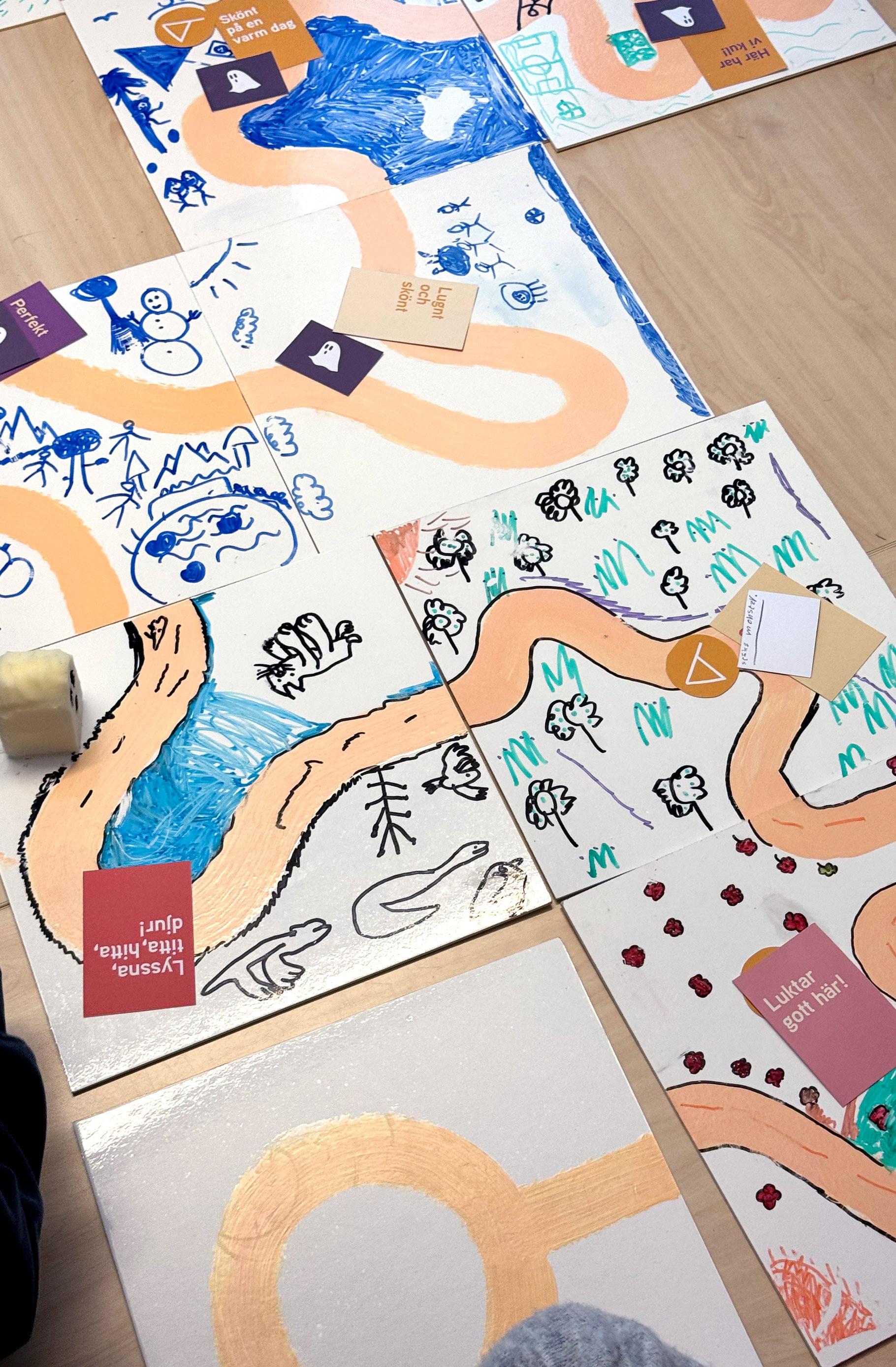
Photo: Lucille Martin
The activity helped us understand the types of outdoor places children enjoy while also creating space to discuss their fears, concerns, and ideas for improvement.
Several themes emerged repeatedly across the workshops.
Darkness
Darkness was one of the most common concerns. Children frequently suggested bringing a flashlight as a solution.
This insight could inform future development of Barnens Smarta Karta. For example, the platform could indicate whether a place has street lighting, prioritize well-lit locations when families search during darker hours, or even suggest playful activities that encourage exploration after dark with appropriate equipment such as flashlights.
Loneliness and Empty Spaces
Many children expressed concerns about being alone in large, open, or empty places. They suggested taking friends or being accompanied by adults as a solution to these concerns.
To address this, the platform could help families understand what to expect when visiting a location. Information about how busy a place tends to be at different times of day could help families choose environments that feel comfortable and appropriate for their needs.
Managing expectations is an important part of developing Barnens Smarta Karta. When people arrive at a place that matches its description, trust in the platform grows.
Insects and Wild Animals
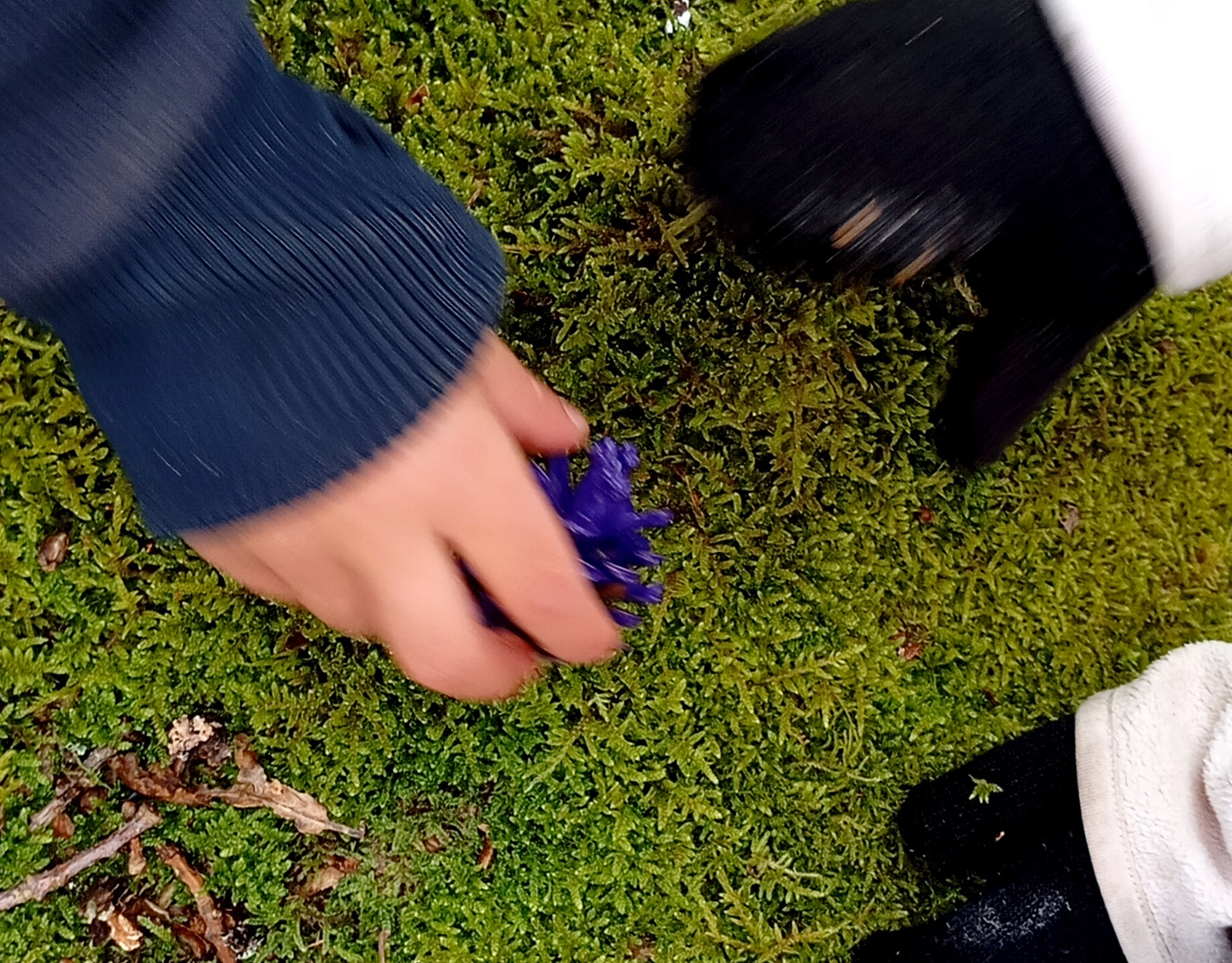
Some children described insects, ants, and wild animals as things they found uncomfortable or frightening outdoors.
This has inspired discussions about how the platform might instead encourage curiosity and wonder. Through fun facts, stories, and playful information about nature, we may be able to help children build familiarity with the outdoor environment.
Clear descriptions can also help families choose places that fit their preferences and comfort levels
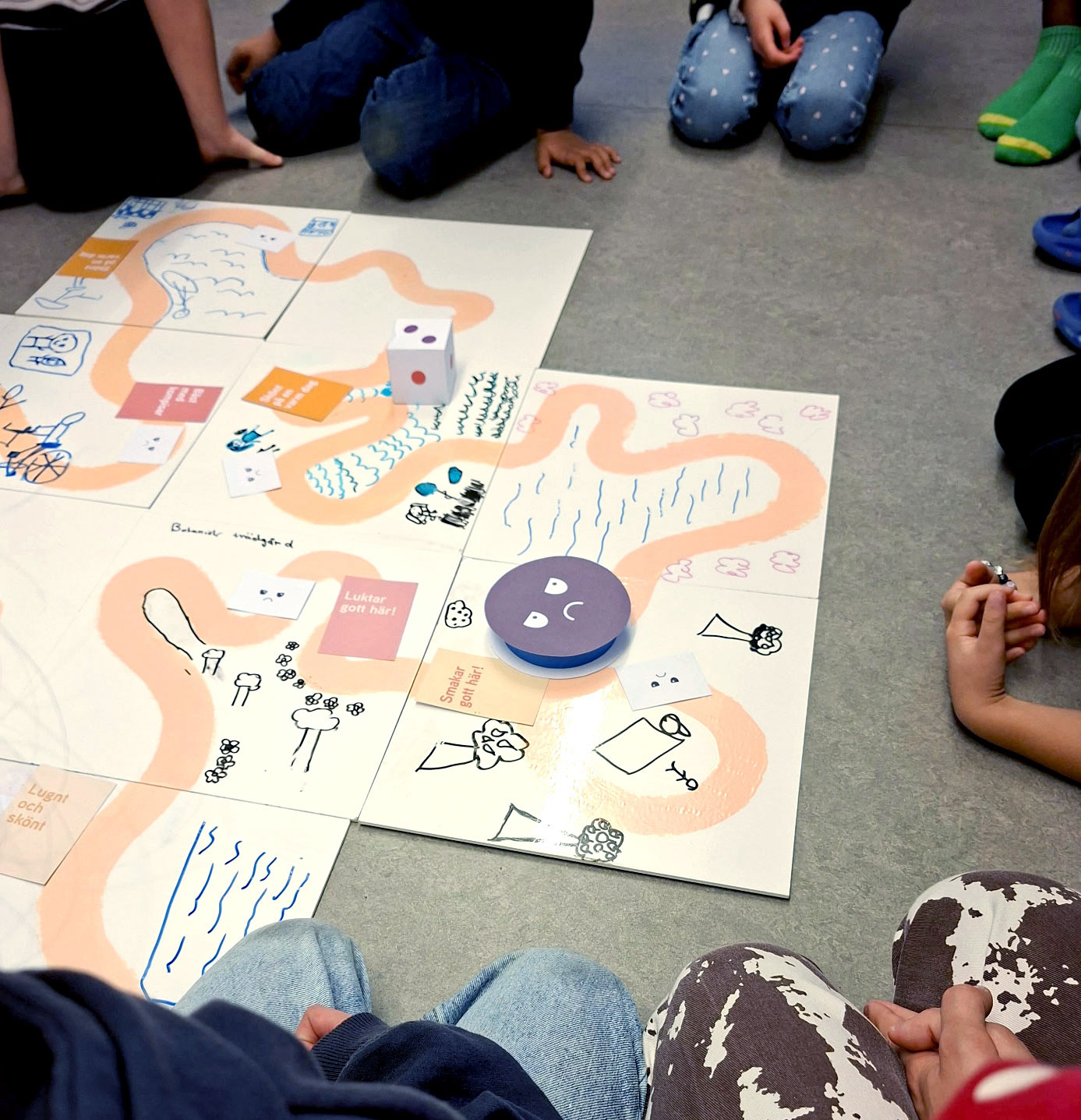
Photo: Lisa Rosengren
One of the most rewarding aspects of this workshop format was seeing how naturally children opened up through play. The game created a safe space where they felt comfortable sharing both imaginative ideas and very real concerns.
By listening to these conversations, we gain a better understanding of children's experiences, expectations, and needs. These insights help guide the continued development of Barnens Smarta Karta so that it can better support children and families in exploring outdoor places with confidence.
Would you like to join us next time?